Common Car Accident Injuries & Delayed Symptoms | Denver Chiropractor
The Most Common Car Accident Injuries (and Why You Might Not Feel Them Right Away)
A car accident is over in seconds, but the effects on your body can last for months. Many people walk away from a crash feeling shaken but fine, only to wake up two days later with a stiff neck, a pounding headache, or pain in their lower back. That delay is one of the most misunderstood parts of car accident injuries, and it's the reason so many people wait too long to get checked.
This guide covers the injuries we see most often, why symptoms can take time to appear, which warning signs need immediate attention, and what you can do to protect your health after a collision.
What are the most common car accident injuries?
The most common car accident injuries are whiplash and other neck injuries, back injuries, head injuries such as concussions, shoulder and chest injuries from seat belts and airbags, and knee or hip injuries from impact with the dashboard. Most of these are soft tissue injuries, meaning they affect muscles, ligaments, tendons, and discs rather than bones.
Soft tissue injuries don’t show up on X-ray imaging, which is why they are easy to overlook. They are also the injuries most likely to cause lingering pain when they aren't treated.
Whiplash and neck injuries
Whiplash is the injury most people associate with car accidents, and for good reason. It happens when your head is thrown rapidly forward and backward (or side to side), stretching and straining the muscles and ligaments of the neck beyond their normal range.
Rear end collisions are the classic cause, but whiplash can happen in any type of crash. It can also happen at surprisingly low speeds. Your car's bumper may show barely a scratch while your neck absorbs a significant force.
Common whiplash symptoms include:
Neck pain and stiffness
Reduced range of motion when turning your head
Headaches that start at the base of the skull
Pain or tightness in the shoulders and upper back
Tingling or numbness in the arms or hands
Fatigue, dizziness, or trouble concentrating
Back injuries
Your spine takes a heavy load in a collision. The lower back in particular is vulnerable because your pelvis is held in place by the seat belt while your upper body keeps moving.
Back injuries from car accidents range from muscle strains and ligament sprains to more serious problems like herniated or bulging discs. A disc injury can press on nearby nerves and cause sciatica, which is pain that travels from the lower back down through the buttock and leg. Joint irritation in the spine can also lead to stiffness and pain that gets worse with sitting or bending.
Head injuries and concussions
You don't have to hit your head to get a concussion. The same rapid motion that causes whiplash can cause the brain to move inside the skull, leading to a mild traumatic brain injury.
Signs of a concussion include headache, confusion, memory problems, nausea, sensitivity to light or noise, blurred vision, irritability, and changes in sleep. These symptoms can be subtle at first, and friends or family members often notice them before the injured person does.
Shoulder, chest, and seat belt injuries
Seat belts and airbags save lives, but they also deliver a lot of force to the body. It is common to see bruising across the chest and shoulder, strained shoulder muscles, rotator cuff injuries, and bruised or cracked ribs after a crash.
Bruising in a band across the abdomen (sometimes called a seat belt sign) deserves medical attention right away, since it can point to internal injury.
Knee, hip, and wrist injuries
Knees can strike the dashboard or the steering column during impact, injuring the kneecap or the ligaments that stabilize the knee. The force can also travel up the leg into the hip. Drivers who brace against the steering wheel often end up with wrist, elbow, or shoulder strains as well.
Why do car accident injuries sometimes show up days later?
Car accident injuries often appear hours or days later because adrenaline and stress hormones mask pain immediately after a crash, and because inflammation in injured tissue builds gradually. It commonly takes 24 to 72 hours for soreness and stiffness to fully develop.
Right after an accident, your body shifts into survival mode. That surge of adrenaline is useful in the moment, but it also hides pain signals. As it wears off and swelling increases in strained muscles and ligaments, symptoms start to surface. Some people notice problems even later, especially headaches, numbness, or pain that only appears with certain movements.
This is why "I feel fine" is not a reliable sign that you weren't hurt.
Which symptoms after a car accident need emergency care?
Go to an emergency room or call 911 if you notice any of the following after a crash:
Loss of consciousness, even briefly
A headache that gets worse over time, or repeated vomiting
Confusion, slurred speech, or unusual drowsiness
Numbness or weakness in the arms or legs
Loss of bladder or bowel control
Chest pain, shortness of breath, or abdominal pain
Severe pain in the neck or back, especially with any change in sensation
These can signal a serious head, spinal, or internal injury that needs immediate evaluation.
What should you do after a car accident, even if you feel fine?
Get evaluated by a qualified provider within a few days of the accident, even if you have no pain yet. An early exam can catch injuries before they become chronic and creates a clear record of your condition.
A few practical steps also make a real difference:
Write down your symptoms. Note what hurts, when it started, and how it affects sleep, work, and daily activities. Update your notes as things change.
Keep your records organized. Hold on to the accident report, insurance information, photos, and every medical visit summary.
Don't push through new pain. Heavy lifting, intense workouts, and long drives can aggravate an injury that hasn't been properly assessed.
Follow through on care. Stopping treatment as soon as pain eases is one of the most common reasons soft tissue injuries return.
If you're dealing with an insurance claim, a personal injury attorney can explain your options and any deadlines that apply.
How are car accident injuries treated?
Treatment for car accident injuries depends on the type and severity of the injury, but most soft tissue injuries respond well to conservative care. That usually includes a thorough exam, chiropractic adjustments to restore joint motion, soft tissue work, targeted exercises and stretches, and physical therapy to rebuild strength and stability.
At Buffalo Spine, we use tools like laser therapy and shockwave therapy to support healing in injured tissue. When an exam suggests a disc injury, fracture, or nerve involvement, your provider may order an MRI or refer you to a specialist.
The goal isn't only to reduce pain. It's to restore normal movement so your body heals properly and you avoid the chronic neck and back problems that can follow an untreated injury for years.
Frequently asked questions about car accident injuries
How long does whiplash take to heal?
Mild whiplash often improves within a few weeks with proper care. More significant injuries can take several months, and a portion of people develop long lasting symptoms, which is why early treatment matters.
Can you get hurt in a low speed car accident?
Yes. Whiplash and other soft tissue injuries can happen at low speeds, even when there's little visible damage to the vehicle.
Should I see a chiropractor after a car accident?
A chiropractor who works with auto injuries can evaluate your spine, joints, and soft tissues and build a treatment plan for you. If you have any emergency warning signs, go to the ER first.
Is it normal to feel sore days after a car accident?
Delayed soreness is very common, but it still signals an injury. Getting checked helps determine what's causing it and how to treat it.
Get checked after your accident
If you've been in a car accident in the Denver area, don't wait for pain to decide whether you were injured. The team at Buffalo Spine & Sport Chiropractic evaluates and treats car accident injuries every day, from whiplash to back and disc injuries.
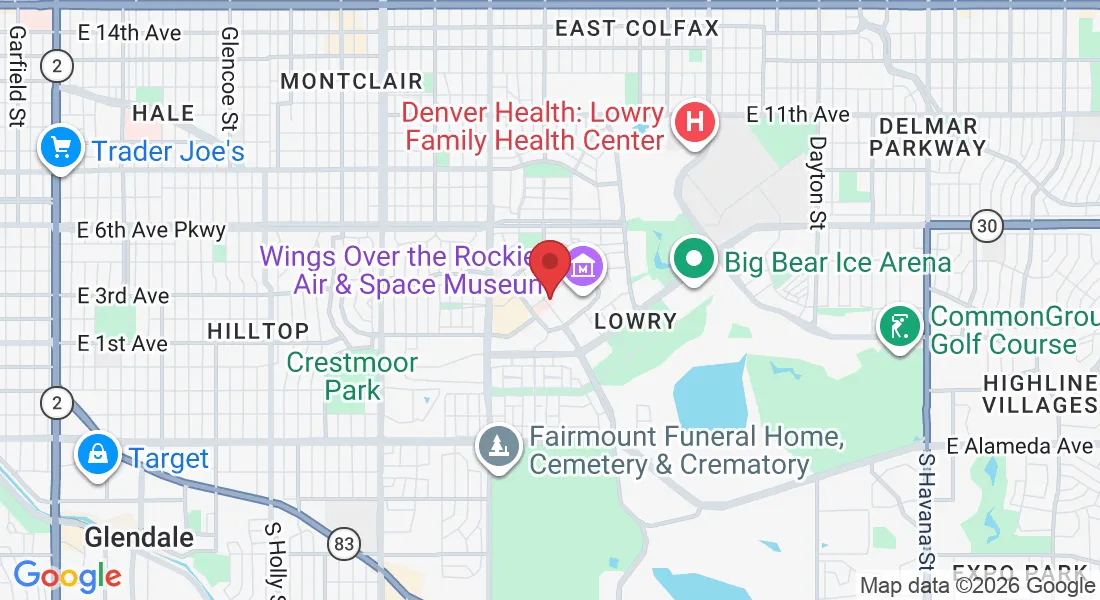
Call (720) 916-8625 or visit us at 130 Rampart Way, Suite 110, Denver, CO 80230 to schedule your appointment.