
SOFT-TISSUE & MOVEMENT CARE • DENVER, CO
ACTIVE RELEASE TECHNIQUE IN DENVER, CO
Experience targeted, non-invasive soft-tissue therapy engineered to relieve chronic tension, resolve nerve entrapments, and restore natural athletic movement with individualized care plans.
QUICK ANSWER
WHAT IS ACTIVE RELEASE TECHNIQUE?
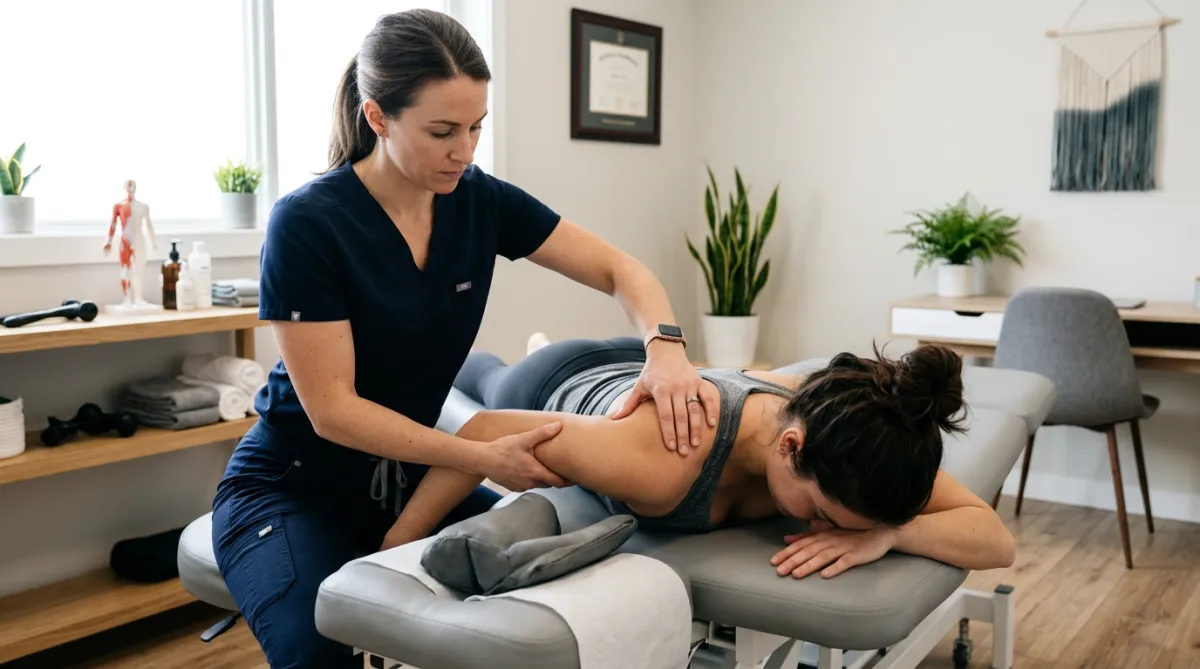
Active Release Technique (ART) is a patented, non-invasive soft-tissue movement system designed to evaluate and treat restricted muscles, tendons, ligaments, fascia, and trapped nerves. By combining targeted manual tension with specific patient movements, ART breaks down dense scar tissue and adhesions to restore natural glide and mobility.
Important Clinical Context: ART is a powerful therapeutic tool within an individualized, broader rehabilitation strategy: it is not a standalone universal cure. Sustainable recovery pairs ART soft-tissue release with corrective exercise, load management, and comprehensive clinical movement assessments.
OUR METHODOLOGY
THE BUFFALO APPROACH
A rigorous three-stage framework designed to deliver precise diagnostic clarity, targeted rehabilitation, and sustainable physical resilience.
01
ASSESS
Comprehensive diagnostic evaluation combining functional movement analysis, biomechanical screening, and symptom history to isolate the root source.
- Full biomechanical mapping
- Joint mobility & load tolerance
- Objective baseline metrics
02
TREAT
Customized clinical interventions integrating manual therapy, neuromuscular re-education, and corrective exercise to relieve pain and restore capacity.
- Hands-on targeted treatment
- Customized corrective protocols
- Immediate symptom reduction
03
PROGRESS
Progressive strength loading, continuous re-testing, and self-management strategies to ensure long-term durability and prevent reinjury.
- Progressive load conditioning
- Continuous milestone audits
- Long-term injury prevention
TARGETED SOFT TISSUE THERAPY
WHY MIGHT ART BE USED?
Active Release Techniques (ART) targets dense scar tissue and adhesions that restrict natural mobility, addressing common pain points across athletic and daily demands.
REPETITIVE ACTIVITY
Relieves cumulative soft tissue micro-trauma and tension caused by repeated motions during sports, work, or routine tasks.
SPORTS & TRAINING
Supports athletic conditioning, accelerates muscular recovery, and helps maintain peak functional performance during demanding cycles.
MUSCLE TIGHTNESS
Breaks down persistent muscle knots, adhesions, and hypertonic tissue bands to restore elasticity and alleviate chronic tightness.
MOVEMENT RESTRICTIONS
Frees entrapped tendons, ligaments, and nerves to safely restore full range of motion and joint gliding dynamics.
OVERUSE-RELATED COMPLAINTS
Effective intervention for tendinopathies, fasciitis, carpal tunnel, and chronic strain patterns developed over time.
WORK & DAILY ACTIVITY
Addresses postural strain from prolonged desk sitting, heavy lifting, driving, and ergonomic stress factors.
INJURY REHABILITATION
Accelerates safe tissue remodeling following sprains, strains, or post-surgical fibrosis to restore healthy functional movement.
RETURN TO ACTIVITY
Builds resilient tissue tolerance to help patients safely transition back to full-intensity exercise, sport, and work duties.
CLINICAL BIOMECHANICS & RESTORATION
How Does ART Work?
Active Release Techniques (ART) is a patented, state-of-the-art soft tissue movement management system. Every session pairs direct manual contact with dynamic anatomical motion to pinpoint and release dense scar tissue, adhesions, and trapped nerves.
- Targeted Manual Contact: The clinician evaluates the texture, tightness, and movement of muscles, fascia, tendons, and ligaments.
- Active Guided Movement: Patients actively lengthen tissues through designated kinetic arcs while precise tension is applied.
- Adhesion Dissolution: Natural glide is restored between muscle layers, eliminating local nerve entrapment and chronic restriction.
TARGETED SOFT TISSUE RELIEF
WHAT MAY ACTIVE RELEASE TECHNIQUE HELP ADDRESS?
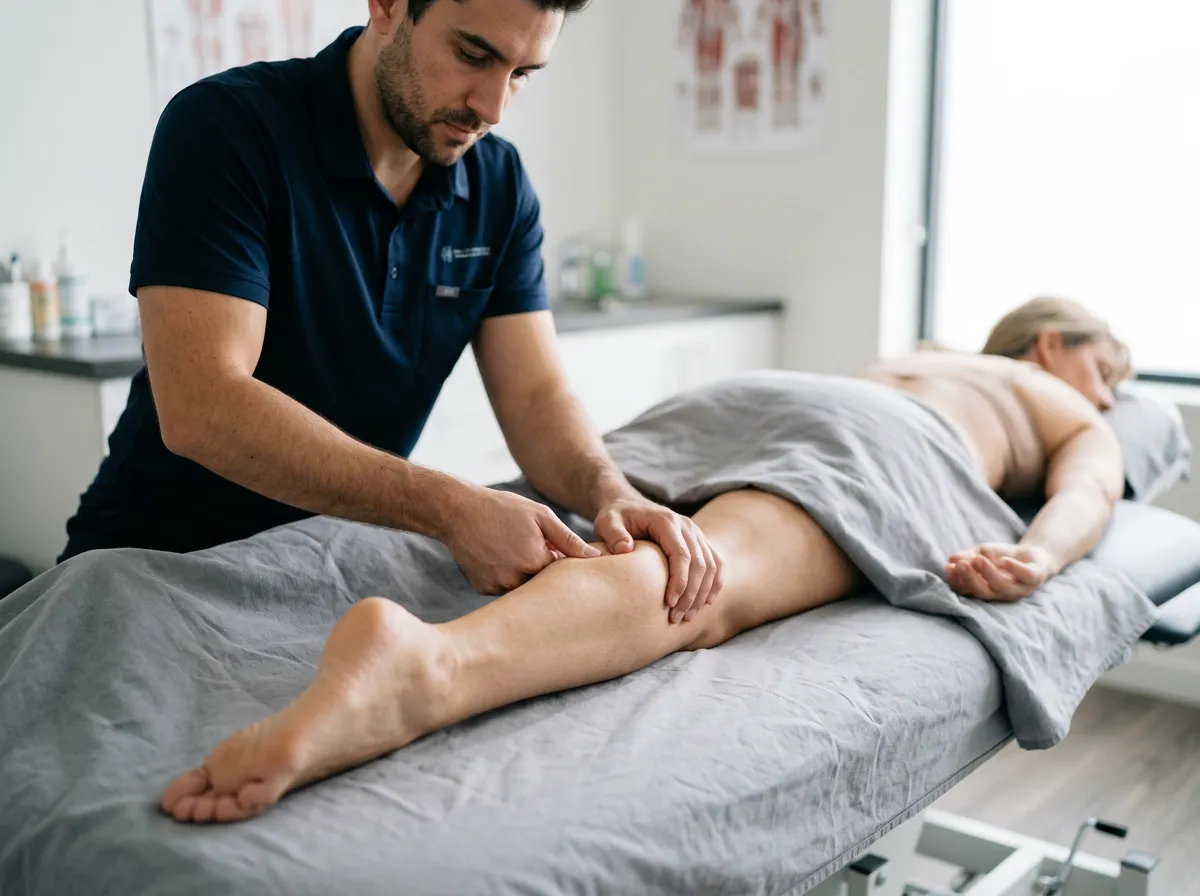
By breaking down dense scar tissue and restoring sliding motion between muscles, tendons, ligaments, and nerves, ART effectively resolves a wide range of common soft-tissue conditions.
Chronic Neck & Shoulder Pain
Releases deep adhesions in the trapezius, levator scapulae, and rotator cuff muscles caused by poor posture, desk work, or repetitive motion.
Lower Back Pain & Sciatica
Frees entrapped sciatic nerve pathways in the piriformis and gluteal complexes, easing radiating leg pain, numbness, and lumbar stiffness.
Carpal Tunnel & Hand Numbness
Restores free glide to the median and ulnar nerves across the forearm and wrist flexors, reducing tingling, weakness, and repetitive strain.
Plantar Fasciitis & Foot Strain
Breaks down dense fibrotic tissue in the arch, Achilles tendon, and calf muscles to eliminate sharp morning heel pain and running discomfort.
Tennis & Golfer's Elbow
Resolves epicondylitis and tendon micro-tears around the elbow joint caused by sports swings, typing, or heavy manual lifting.
Tension Headaches & TMJ Pain
Releases suboccipital and masticatory muscle restrictions that pull on the cranial base, relieving chronic throbbing, jaw stiffness, and cervicogenic headaches.
UNIVERSAL HUMAN MOVEMENT
NOT JUST FOR ATHLETES
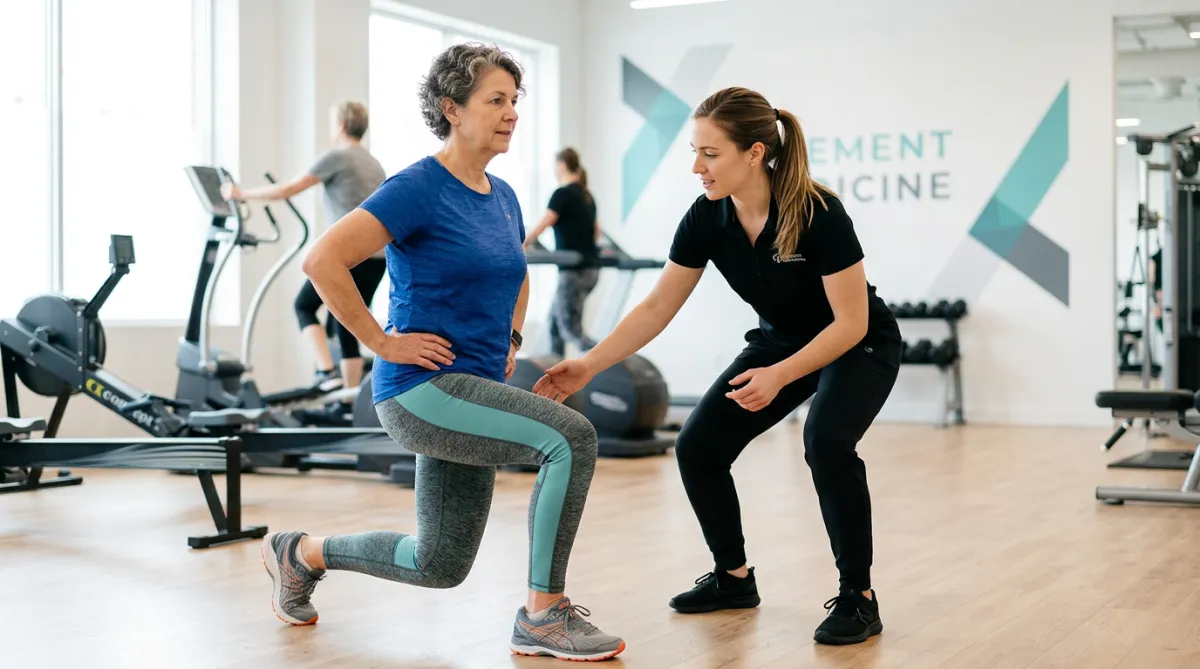
Whether you are chasing personal records, keeping up with active toddlers, managing desk-bound tension, or striving to move without stiffness, our functional protocols are tailored for real bodies living real lives.
- Desk workers restoring posture & spinal mobility
- Parents and caregivers needing all-day functional stamina
- Active seniors preserving joint freedom & balance
- Weekend warriors and recreational movers of all levels
UNDERSTANDING THE DIFFERENCE
Is Active Release Technique the Same as Massage?
No. While both involve hands-on soft tissue therapy, Active Release Technique (ART®) is fundamentally different. Traditional massage focuses on broad muscular relaxation and general circulation through passive manipulation, whereas ART is an active, movement-based clinical system specifically designed to locate and break down restrictive scar tissue, adhesions, and nerve entrapments.
Standard Massage Therapy
- Patient remains passive during treatment
- Aims for overall relaxation and stress relief
- Broad, generalized pressure along muscle bellies
- Temporary reduction of general muscle soreness
- Focuses primarily on surface blood flow and tension
Active Release Technique (ART®)
Patient actively moves through guided functional paths
Precisely breaks down internal scar tissue and dense adhesions
Frees trapped nerves, restoring smooth glide and sensation
Over 500 specific protocols for targeted anatomical correction
Rapidly restores full range of motion and athletic power
Certified Provider • Immediate Functional Improvements
YOUR VISIT
A Streamlined Clinical Journey
Every appointment is structured around three precise stages designed to understand your condition, apply focused care, and safeguard your long-term progress.
01 EVALUATE
We begin with a comprehensive clinical assessment, diagnostic movement analysis, and a detailed review of your medical history to identify the root cause of your symptoms.
02 TREAT
Targeted interventions, evidence-backed manual therapy, and bespoke functional exercises are delivered during your session to relieve discomfort and restore mobility.
03 REASSESS
Before concluding, we measure functional gains, provide take-home protocols, and establish clear milestones to verify sustainable recovery over time.
INTEGRATED CLINICAL SOLUTIONS
ART MAY BE ONE PART OF YOUR CARE PLAN
We combine targeted soft tissue therapy with evidence-based chiropractic, physical rehabilitation, and specialized modalities to accelerate your recovery and restore peak mobility.
Chiropractic Care
Gentle, precise spinal and extremity adjustments that restore optimal joint alignment, alleviate nerve interference, and support full-body biomechanics.
Physical Therapy
Targeted functional exercises and corrective rehabilitation designed to rebuild muscle strength, enhance flexibility, and prevent recurrent injuries.
Dry Needling
Focused intramuscular stimulation that deactivates deep myofascial trigger points, relieves neuromuscular pain, and accelerates tissue healing.
TECHNIQUE COMPARISON GUIDE
WHAT'S THE DIFFERENCE BETWEEN ACTIVE RELEASE TECHNIQUE AND GRASTON / IASTM?
The fundamental difference lies in the treatment medium and movement application: Active Release Technique (ART) is a hands-on manual protocol combining precise clinician contact with active patient movement, whereas Graston / IASTM uses contoured stainless steel instruments to detect and break down fascial adhesions through targeted cross-friction shear.
Active Release Technique (ART)
Hands-On Neuromuscular Mobilization
The clinician applies direct contact tension with thumbs or fingers over specific soft-tissue interfaces while instructing the patient to actively lengthen the muscle through its complete kinetic plane. This breaks down adhesions between sliding fascial layers and restores nerve glide.
Key Distinction: Requires active functional movement and focuses on functional muscular interfaces and nerve entrapments.
Graston Technique / IASTM
Instrument-Assisted Cross-Friction
Uses specially designed stainless steel ergonomic instruments with beveled edges to scan and treat soft tissue lesions. The steel amplifies cellular resonance to detect fibrotic nodules, creating localized microvascular healing cascade and remodeling collagen matrix.
Key Distinction: Uses specialized mechanical instruments to magnify tactile feedback and stimulate fibroblastic tissue regeneration.
Which therapy is right for you? Many comprehensive rehabilitation programs integrate both modalities: Graston to address broad superficial fascial restrictions, followed by ART to restore precise deep muscular and nerve mobility.
OUR CLINICAL FOUNDATION
Why Buffalo Spine & Sport
A comprehensive, movement-first approach tailored to pinpoint the root cause of discomfort and guide you toward sustainable physical performance.
INDIVIDUALIZED EVALUATION
In-depth clinical assessments that identify your specific movement dysfunction, posture habits, and primary biomechanical drivers.
MOVEMENT-FOCUSED CARE
Active rehabilitation protocols designed to build strength, correct movement patterns, and restore pain-free functional agility.
MULTIMODAL OPTIONS
Integrating manual therapy, regenerative modalities, and precision conditioning under one unified, collaborative care plan.
PROGRESS-BASED PLANNING
Milestone-driven roadmaps with real-time outcome tracking so you see measurable improvements at every step of recovery.
CLINICAL INSIGHTS & PATIENT GUIDANCE
Frequently Asked Questions on ART
Clear answers about Active Release Technique, how this hands-on soft-tissue approach works, what to expect during treatment, and how it may fit into an individualized chiropractic and rehabilitation plan.
What is Active Release Technique (ART)?
Active Release Technique is a hands-on soft-tissue treatment approach that combines targeted manual contact with specific movement. It may be incorporated into chiropractic and musculoskeletal care when appropriate based on a patient's evaluation, symptoms, movement, and goals.
How long does Active Release Technique work?
During Active Release Technique, a provider applies targeted manual contact to an appropriate soft-tissue area while the involved body part moves through a specific range of motion. The application varies based on the patient's examination findings, symptoms, tolerance, and treatment goals.
What can Active Release Technique be used for?
Active Release Technique may be considered for certain musculoskeletal concerns involving muscle tightness, soft-tissue sensitivity, repetitive-use complaints, sports-related issues, movement limitation, or rehabilitation needs. Whether it is appropriate depends on the individual patient's evaluation.
Is Active Release the same as a chiropractic adjustment?
Active Release Technique focuses on hand-on soft-tissue treatment combined with movement, while a chiropractic adjustment is a different approach involving joints. Depending on the patient's evaluation, both may be incorporated into an individualized care plan when appropriate.
READY FOR YOUR TRANSFORMATION?
LET'S HELP YOU MOVE & IMPROVE.
Take the next step toward enhanced mobility, strength, and lasting wellness. Our dedicated team is ready to support your journey every step of the way.