
CAR ACCIDENT INJURY
TREATMENT IN DENVER, CO
Evidence-informed evaluation and targeted physical rehabilitation designed to restore functional movement, address spinal mechanics, and support your active recovery following an auto collision.
Personalized care based on your examination, symptoms, movement, and recovery goals.
AUTO INJURY CARE
Evidence-Based Clinical Protocol
SHOULD YOU SEE A CHIROPRACTOR
AFTER A CAR ACCIDENT?
Yes. Seeking a clinical musculoskeletal evaluation within 72 hours of a motor vehicle collision is vital. Even low-speed impacts produce rapid acceleration-deceleration forces that damage spinal ligaments, facet joints, and paraspinal muscles before acute pain surfaces. Timely diagnostic assessment identifies hidden structural micro-trauma, prevents chronic scar tissue formation, and objectively documents your injury.
Collision mechanics transfer significant kinetic energy directly into the cervical and lumbar spine. Individual factors such as pre-existing joint health, occupant posture at the moment of impact, seatbelt tensioning, and headrest alignment heavily dictate the severity of soft-tissue strain. Objective neurological and orthopedic screening clarifies the exact mechanical breakdown before compensation patterns become permanent.
Clinical Standard: Not every auto injury requires the same treatment. Evidence-based care demands an individualized diagnostic assessment rather than generic manipulation protocols. If acute neurological red flags or structural fractures are detected, immediate multidisciplinary referral is prioritized.

Targeted Cervical & Whiplash Mobility Assessment
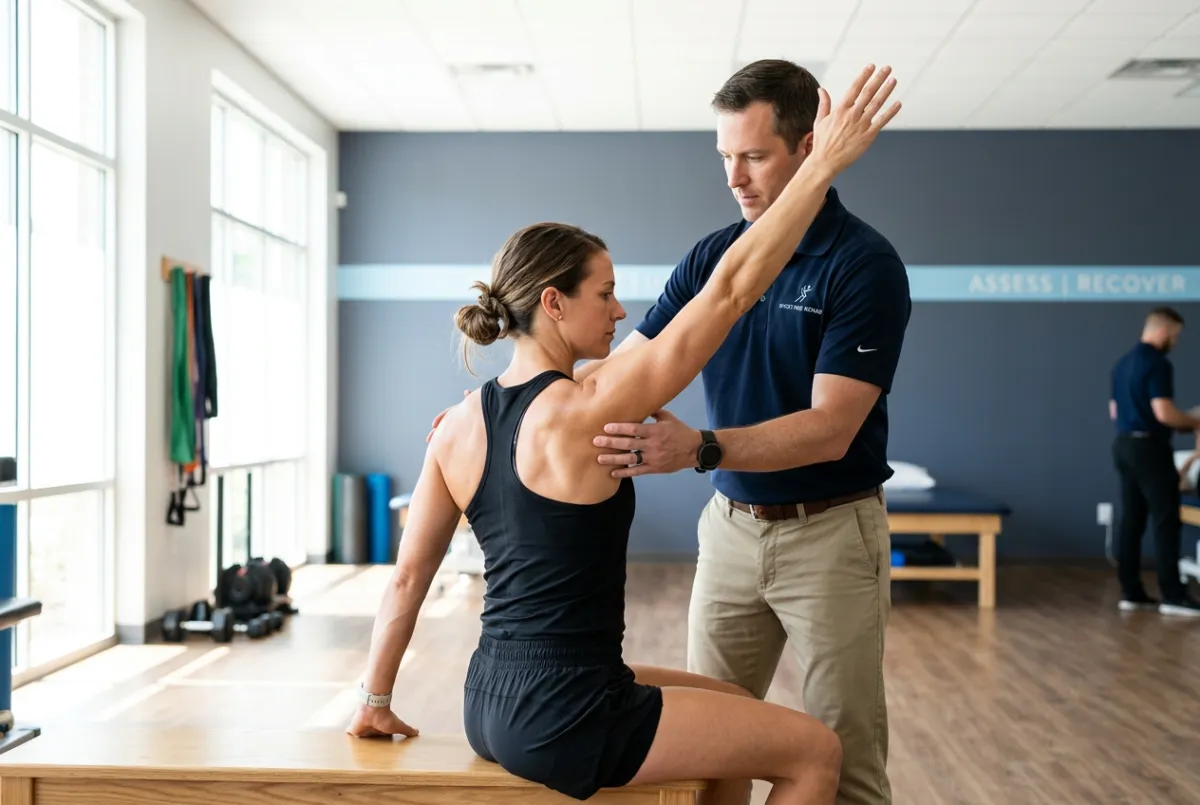
Objective Orthopedic & Structural Joint Screening
WHAT YOU MAY BE EXPERIENCING
COMMON MUSCULOSKELETAL SYMPTOMS
Physical trauma or rapid acceleration impacts everyone differently. Explore common structural indicators below to better understand potential mechanical strain without self-diagnosing.
Neck Pain
Discomfort or tension localized in the cervical spine, frequently aggravated by neck rotation or sustained posture.
Back Pain
Aching or acute tightness throughout the mid or lower back that may heighten after prolonged sitting or bending.
Whiplash Symptoms
Delayed soreness or cervical stiffness following rapid deceleration forces during vehicular impact.
Reduced Range of Motion
Restricted joint flexibility or noticeable resistance when turning the head, bending, or reaching.
Shoulder Pain
Impingement sensations, tension, or dull ache spreading across the shoulder girdle and upper scapular area.
Hip Pain
Stiffness or localized discomfort in the pelvic region, often affecting gait mechanics and weight-bearing comfort.
Muscle Soreness
Generalized muscular guarding, spasm, or aching across core and paraspinal stabilizers.
Joint Pain
Localized soreness, joint friction, or inflammation in articulating spinal and extremity joints.
Headaches
Cervicogenic pressure or tension sensations originating near the base of the skull and radiating upward.
Nerve Symptoms
Tingling, dullness, or radiant sensations traveling into the shoulders, arms, or down through the legs.
Clinical Notice: This overview is strictly educational and does not constitute a formal diagnosis. If you experience progressive neurological deficits, severe radiating pain, or loss of motor function, seek immediate emergency medical evaluation.
YOUR FIRST APPOINTMENT
WHAT HAPPENS DURING AN
EVALUATION?
Your initial consultation is a comprehensive, evidence-based diagnostic assessment. We identify the exact musculoskeletal and neurological sources of your pain, establish baseline functional capacity, and outline an objective path to full physical recovery without guesswork.
Same-day or next-day appointments available for collision cases.
01
LISTEN : TRAUMA HISTORY & IMPACT ANALYSIS
We document the precise collision vectors, seatbelt restraint forces, head positioning, and symptom chronology to understand the physical forces absorbed by your spinal structures.
02
EVALUATE : NEURO-ORTHOPEDIC TESTING
Hands-on assessment includes computerized cervical/lumbar range of motion, deep tendon reflexes, dermatomal sensation, motor grading, and joint palpation to isolate damaged tissues.
03
PLAN : TARGETED REHABILITATION BLUEPRINT
We review findings transparently, formulate an individualized protocol combining manual therapy and active rehab, and coordinate medical documentation for No-Fault insurance coverage.
04
PROGRESS : FUNCTIONAL RE-ASSESSMENT
Care plans adapt dynamically based on periodic objective re-testing, ensuring your recovery moves efficiently from acute pain reduction to full athletic stability and discharge.
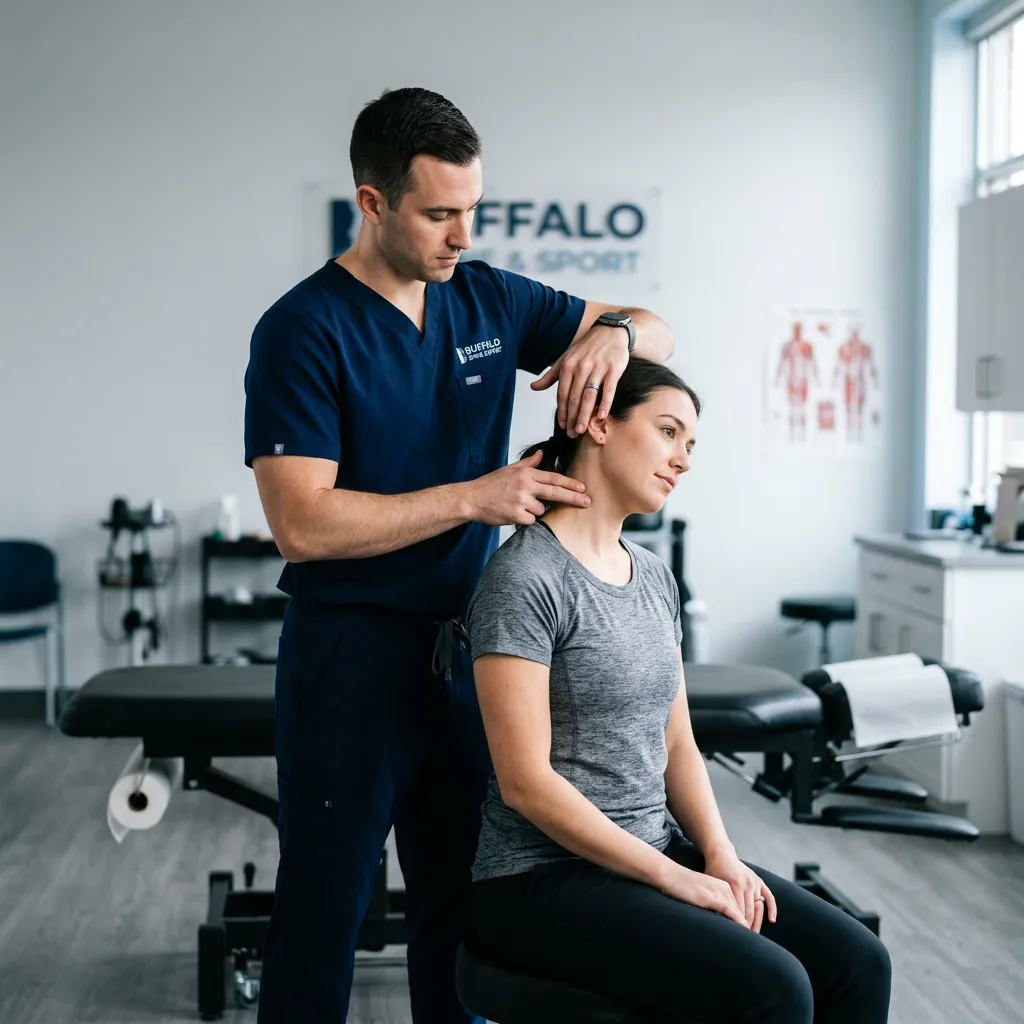
UNDERSTANDING WHIPLASH
WHAT IS WHIPLASH?
Whiplash refers to a cervical acceleration-deceleration mechanism that places rapid tensile and compressive forces on the muscles, ligaments, and facet joints of the neck. It is a functional soft-tissue sprain and strain response rather than permanent damage, and structured early movement remains the benchmark for recovery.
- Cervical stiffness and localized muscular tension
- Temporary reduction in pain-free rotation or flexion range
- Cervicogenic tension headaches radiating from the suboccipital base
- Interscapular or upper-back compensatory tightness
HOW IS WHIPLASH EVALUATED?
Evaluation starts with a comprehensive biomechanical history and orthopedic testing: measuring active cervical range of motion, segmental joint play, and neurological reflexes. If clinical red flags or structural concerns emerge, digital radiography or MRI imaging is coordinated promptly with local diagnostic facilities.
A DIFFERENT APPROACH TO RECOVERY
MORE THAN CHASING SYMPTOMS
Most high-volume injury clinics rely on passive modalities that only mask discomfort. We reject cookie-cutter protocols, focusing instead on identifying precise structural damage, restoring joint biomechanics, and returning you to full athletic performance.
01
INDIVIDUALIZED EVALUATION
In-depth orthopedic testing, cervical range assessment, and biomechanical screening to pinpoint exact tissue damage.
02
EVIDENCE-BASED CARE
Clinically validated spinal rehabilitation methods, documented progress tracking, and proven physiological recovery models.
03
MOVEMENT + FUNCTION
Active movement therapy, kinetic stability retraining, and functional conditioning to prevent long-term post-accident degeneration.
04
MULTIPLE TREATMENT OPTIONS
Integrated chiropractic adjustments, soft tissue mobilization, targeted decompression, and progressive rehab under one roof.
OUR CLINICAL COMMITMENT
HELPING YOU MOVE AND IMPROVE.
Comprehensive diagnostic accountability and dynamic rehabilitation built specifically for auto accident victims across Denver Colorado.
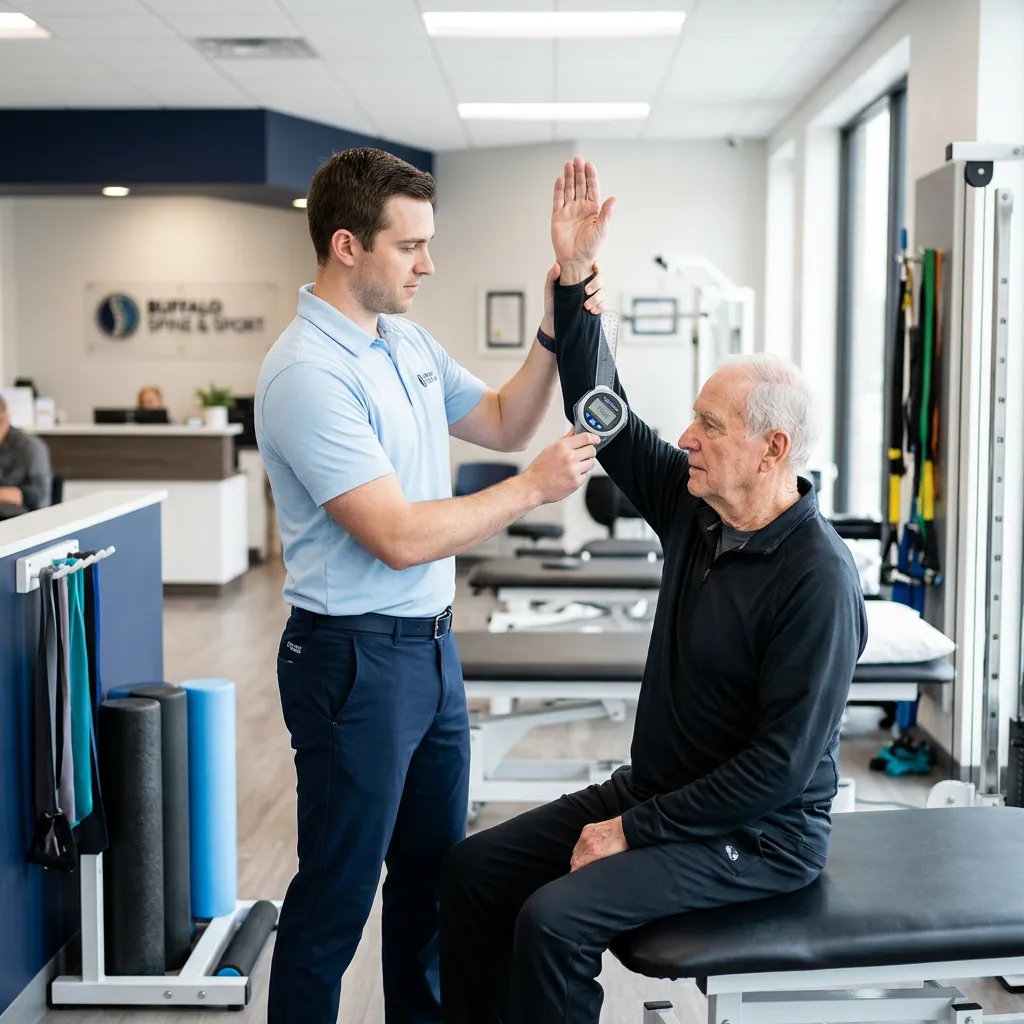
FUNCTIONAL RECOVERY TIMELINES
RETURNING TO DAILY LIFE & ACTIVITY
Recovery from motor vehicle injuries is measured by objective milestones rather than arbitrary calendar dates. Every patient progresses at their own pace, guided by criteria-based testing that guarantees spinal stability, range of motion, and tissue tolerance before load is reintroduced.
- Workplace Capacity: Progressive tolerance for seated posture, dynamic lifting, and repetitive movement demands.
- Sport & Athletic Resumption: Structured return-to-play progressions focusing on deceleration, agility, and impact control.
- Family & Daily Routines: Pain-free driving, lifting children, carrying groceries, and uninterrupted restorative sleep.
CRITERIA-BASED PROGRESSION
Your discharge and return to unrestricted physical activity are determined through measurable strength restoration, cervical and lumbar joint play, and self-reported functional outcomes.
AUTO INJURY FAQ
CAR ACCIDENT
CHIROPRACTIC QUESTIONS
Explore definitive, medically responsible guidance regarding post-accident spine trauma, clinical diagnostic timelines, and insurance documentation protocols.
Direct No-Fault insurance billing. Same-day emergency evaluations accommodated.
How soon after a car accident should I be evaluated?
You should seek a comprehensive clinical evaluation within 24 to 72 hours of a motor vehicle collision. Immediate assessment identifies hidden cervical spine trauma, micro-tears in soft tissue, and joint subluxations before inflammatory scar tissue begins stabilizing the area incorrectly. In addition, prompt documentation is critical for compliance with strict insurance reporting deadlines.
What are the most common delayed symptoms after a collision?
Delayed symptoms frequently include cervical stiffness, tension headaches, radiating numbness down the arms, lumbar spasms, dizziness, and cognitive fatigue. Due to acute adrenaline surges immediately following impact, musculoskeletal pain and nerve inflammation often take 48 to 96 hours to fully manifest. Early clinical screening pinpoints underlying biomechanical instability before pain intensifies.
Can chiropractic care treat whiplash effectively?
Yes, chiropractic rehabilitation provides targeted, evidence-based correction for cervical acceleration-deceleration (whiplash) injuries. By restoring normative joint biomechanics, reducing paraspinal muscle spasms, and relieving facet joint compression, structured adjustments accelerate tissue repair and prevent chronic post-traumatic neck pain.
Does auto insurance cover chiropractic care after a car accident?
Auto insurance may cover chiropractic and other medically necessary care following a motor vehicle accident, depending on your policy, available benefits, and the circumstances of your claim. Coverage varies, so benefits should be verified before relying on insurance for treatment costs. Buffalo Spine & Sport Chiropractic can help you understand the information needed for your claim and discuss appropriate care options based on your evaluation.
What is MedPay, and can it help cover chiropractic care after a car accident in Colorado?
MedPay, or Medical Payments Coverage, is optional coverage that may be included with a Colorado auto insurance policy to help pay eligible medical expenses after a car accident, regardless of who caused the collision. Depending on the policy and available benefits, MedPay may help with chiropractic care and other accident-related medical treatment.
At Buffalo Spine, we encourage our patients to review their auto insurance policy and understand whether they have MedPay coverage before an accident occurs. Coverage limits and eligibility vary by policy, so patients should confirm their specific benefits directly with their insurance carrier.
Why is MedPay important after a car accident?
MedPay, or Medical Payments Coverage, may help pay eligible medical expenses following a car accident, regardless of who caused the collision. Depending on your policy, available benefits may help cover chiropractic care and other accident-related medical treatment. Understanding whether you have MedPay—and your coverage limit—can help you make more informed decisions about your care after an accident.
Do I need a referral from a medical doctor to see a chiropractor?
No. In Colorado, you generally do not need a referral from a medical doctor to schedule an evaluation with a chiropractor, including after a car accident. Chiropractors can evaluate musculoskeletal concerns, perform an appropriate examination, and determine whether chiropractic care may be appropriate. If your examination indicates that additional medical evaluation, diagnostic imaging, or another type of care may be needed, your chiropractor can discuss the appropriate next steps or referral.
What should I bring to my first accident injury evaluation?
You should bring your auto insurance policy details, the motor vehicle accident report or exchange slip, your claim or policy number, and any relevant prior imaging or emergency room discharge paperwork. If an insurance claim has not yet been opened, our administrative staff will assist you in initiating proper No-Fault documentation during intake.
How does chiropractic care differ from physical therapy for accident recovery?
Chiropractic care concentrates on restoring precise articular alignment and relieving spinal joint fixation, while physical therapy emphasizes muscular reconditioning and motor pattern recruitment. Our clinical model synthesizes targeted spinal adjustments with active functional rehabilitation to restore both structural stability and dynamic muscular strength.
Will adjustments hurt if I am already in severe pain?
No, acute trauma protocols utilize gentle, low-force mobilization techniques, instrument-assisted adjustments, and soft tissue therapies designed specifically for sensitized spinal segments. High-velocity manual thrusts are avoided during initial acute flare-ups in favor of soothing inflammatory modalities and gentle articular decompression.
How long does accident injury rehabilitation typically take?
Rehabilitation timelines range from 4 to 12 weeks depending on tissue severity, ligamentous laxity, and neurological involvement. Recovery progresses through three distinct phases: acute pain reduction, restorative joint stabilization, and active functional strengthening to ensure lasting spinal integrity.
What diagnostic imaging is required before starting treatment?
Digital X-rays are typically performed during intake to rule out vertebral fractures, dislocations, and severe spinal instability. If radicular symptoms, severe nerve deficit, or disc herniation is suspected, we coordinate referral for advanced MRI diagnostics to evaluate soft tissue and neural compression.
How does clinical documentation assist my personal injury claim?
Objective clinical documentation provides detailed proof of injury onset, quantifiable range of motion deficits, and documented treatment necessity. We maintain meticulous electronic records, narrative injury reports, and functional impairment ratings essential for supporting legal claims and insurance reconciliations.
When should I seek emergency medical care instead of chiropractic care?
You must seek immediate emergency medical care if you experience loss of consciousness, severe head trauma, uncontrolled bleeding, severe shortness of breath, sudden bowel or bladder dysfunction, or progressive bilateral paralysis. Once emergent life-threatening conditions are ruled out and stabilized, outpatient chiropractic rehabilitation can safely commence.
Will I have to pay out of pocket for care after a car accident?
For auto-accident cases, Buffalo Spine & Sport Chiropractic typically coordinates billing through applicable first-party or third-party auto insurance, depending on the circumstances of the claim. In many cases, there may be no initial out-of-pocket payment required for care.
When appropriate, services may also be provided on a lien basis, allowing the clinic to coordinate with your attorney regarding payment from the resolution of your bodily injury claim. Because insurance coverage and individual claims vary, billing arrangements are reviewed based on your specific case before treatment begins.
CAR ACCIDENT INJURY CARE IN DENVER
START WITH AN EVALUATION
Get a comprehensive clinical assessment to identify hidden collision trauma, document injuries with precision, and build an evidence-based recovery plan tailored to your movement goals.
BUFFALO SPINE & SPORT CHIROPRACTIC | 130 RAMPART WAY SUITE 110 / DENVER, CO | DIRECT: (720) 916-8625

At Buffalo Spine & Sport Chiropractic, we are evidence-based chiropractic rehabilitation and athletic sports medicine focused on biomechanical recovery, spine health, and sustainable performance.
Our Location
130 rampart Way,
Suite 110
Denver, CO 80230
Phone Number:
(720) 916-8625
Business Hours
Medical Disclaimer: The information provided on this website is for informational and educational purposes only and does not constitute medical diagnosis, treatment, or specific clinical advice. Evaluation by a licensed chiropractic physician is required prior to initiating any treatment plan. Buffalo Spine & Sport Chiropractic operates strictly as a fee-for-service / direct-pay practice.
© 2026 Buffalo Spine & Sport Chiropractic. All Rights Reserved. | Privacy Policy | Terms of Conditions | HIPAA Notice | Direct-Pay Financial Agreement