CLASS IV LASER THERAPY • DENVER, CO
COLD LASER THERAPY IN DENVER, CO
Non-invasive, drug-free pain relief engineered to accelerate cellular healing, reduce inflammation, and restore natural mobility with advanced medical laser protocols.
PERSONALIZED CARE • MOVEMENT-FOCUSED • DENVER, COLORADO
LASER THERAPY EXPLAINED
WHAT IS COLD LASER THERAPY?
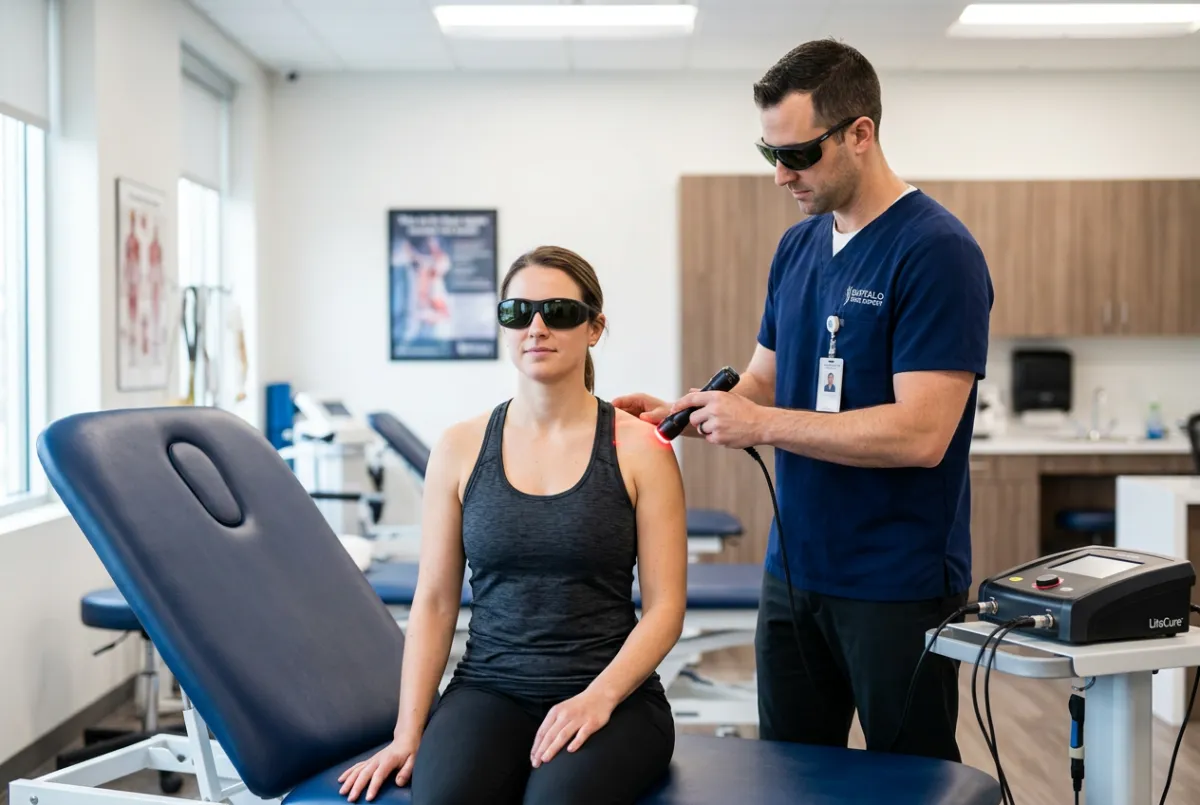
Cold laser therapy is an advanced, non-invasive medical treatment that applies specific low-level light wavelengths directly to damaged tissue. Unlike surgical lasers, it generates no heat, penetrating deep beneath the skin to stimulate cellular mitochondria, accelerate tissue regeneration, relieve acute or chronic inflammation, and restore natural pain-free mobility.
01 LIGHT ENERGY
Targeted photons penetrate up to 5cm deep through dermal barriers without discomfort, delivering concentrated photonic energy right to affected cells.
02 TISSUE RESPONSE
Photobiomodulation boosts ATP cellular production, rapidly increases microcirculation, and reduces pro-inflammatory cytokines to calm nerve irritation.
03 RECOVERY PLAN
Cumulative sessions reinforce healthy cellular repair, enhancing joint flex, rebuilding damaged soft fibers, and providing long-term sustained pain relief.
CLINICAL SCIENCE & TECHNOLOGY
UNDERSTANDING HIGH-INTENSITY LASER THERAPY
Discover how targeted photon energy stimulates cellular regeneration, eliminates deep tissue inflammation, and accelerates natural recovery without surgery or medication.
How does High-Intensity Laser Therapy work?
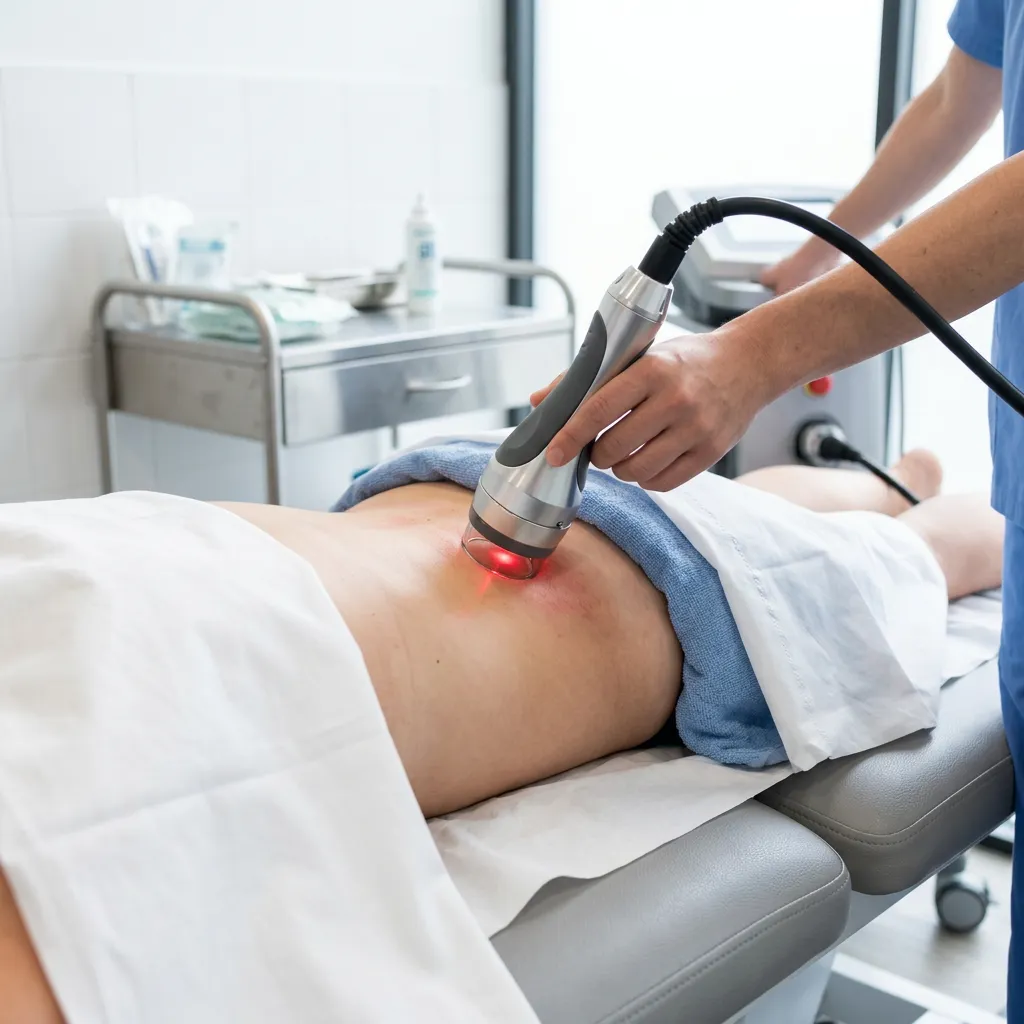
High-Intensity Laser Therapy delivers concentrated laser light deep into musculoskeletal tissues. This photonic energy penetrates up to 10-12 cm, enhancing blood circulation, increasing oxygen delivery, and activating rapid tissue regeneration at the cellular level.
What is Photobiomodulation?
Photobiomodulation is the biological process where specialized light wavelengths are absorbed by chromophores in cell mitochondria. This interaction dramatically increases ATP (cellular energy) production, accelerating cellular metabolism, reducing oxidative stress, and promoting rapid tissue healing.
Why Class IV Laser Technology?
Class IV medical lasers operate at higher therapeutic power levels (up to 30W) compared to low-level cold lasers. This allows therapeutic wavelengths to reach deep joint capsules, dense ligaments, and spinal discs that lower-powered systems simply cannot reach, cutting recovery times in half.
Is the treatment painful or uncomfortable?
No, the treatment is completely pain-free and non-invasive. Most patients report a warm, relaxing, and soothing sensation as the laser wand passes over the treatment area. There is zero downtime, no needles, and no post-procedure soreness.
TARGETED CELLULAR RECOVERY
WHAT COLD LASER THERAPY MAY HELP ADDRESS
Non-invasive photobiomodulation penetrates deep into tissues to accelerate cellular repair, relieve inflammation, and alleviate acute or chronic pain.
Back Pain & Sciatica
Relieves deep lumbar inflammation, eases compressed nerve pathways, and promotes blood flow to herniated or degenerated discs.
Neck & Cervical Strain
Alleviates chronic postural stiffness, whiplash tension, and cervical disc pressure by stimulating cellular ATP synthesis.
Joint Pain & Arthritis
Decreases synovial inflammation, enhances joint lubrication, and restores mobility in osteoarthritic knees, hips, and shoulders.
Muscle & Soft-Tissue
Deactivates painful trigger points, dissolves chronic muscular knots, and accelerates recovery from acute myofascial fatigue.
Sprains & Ligament Strains
Significantly reduces acute swelling and accelerates collagen matrix deposition to strengthen compromised ligaments.
Tendonitis & Bursitis
Soothes inflamed tendon sheaths and bursae in conditions like tennis elbow, golfer's elbow, Achilles tendonitis, and rotator cuff strain.
Sports Injuries
Fast-tracks return-to-play timelines for competitive athletes by mitigating microtrauma, oxidative stress, and lactic buildup.
Post-Surgical Healing
Stimulates microcirculation and fibroblast production to accelerate incision healing, minimize scar formation, and curb post-op edema.


ADVANCED CLINICAL TECHNOLOGY
Class IV Laser Therapy: Precision Healing in Expert Hands
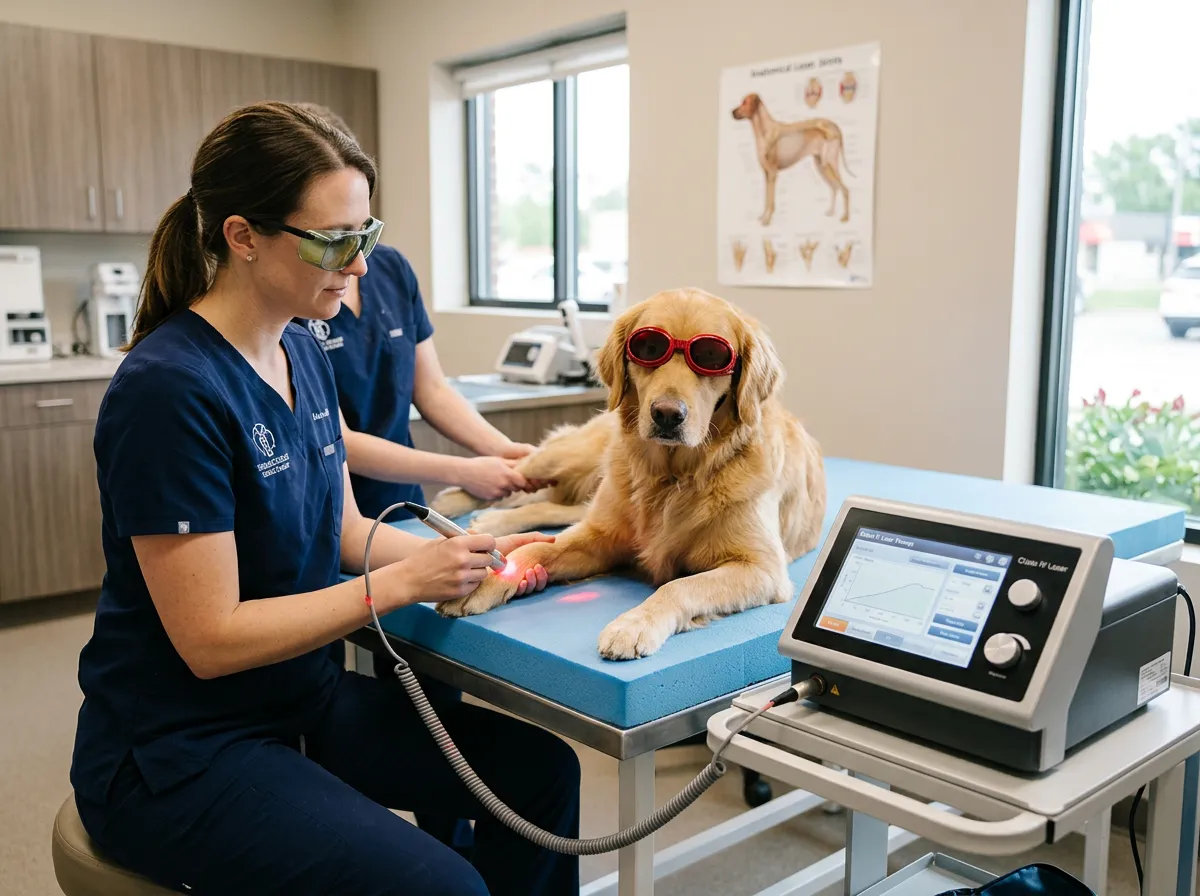
Technology is only as effective as the diagnostic expertise behind it. Our Class IV laser is deployed as a precision instrument to rapidly stimulate microcirculation, reduce inflammation, and accelerate tissue regeneration where standard treatments fall short.
- Targeted Deep-Tissue Photobiomodulation: Delivers therapeutic wavelengths up to 10cm beneath the skin to activate mitochondrial ATP production and cellular repair.
- Clinician-Calibrated Protocols: Power output and wavelength are customized to each patient's acute or chronic pathology rather than standardized presets.
- Non-Invasive Accelerated Recovery: Dramatically reduces pain cytokines and localized edema from the first session without pharmaceuticals or downtime.
OUR SYSTEMATIC METHOD
A PROVEN THREE-STEP PATH TO LASTING RESULTS
From initial clinical diagnostics to ongoing adaptive optimization, our linear framework ensures every decision is backed by precision data and personalized care.
STEP 01
01 EVALUATE
Comprehensive full-spectrum intake, advanced biomarker baseline testing, and clinical assessment to uncover key root causes.
- Complete metabolic profile review
- Extensive panel & lifestyle mapping
- 360-degree baseline consultation
STEP 02
02 TARGET
Engineered protocol design crafting tailored intervention strategies, dosage formulas, and precise daily action blueprints.
- Personalized protocol blueprinting
- Targeted therapeutic sequencing
- Customized lifestyle recommendations
STEP 03
03 TREAT + PROGRESS
Continuous clinical oversight, cyclical biomarker re-evaluation, and dynamic program adjustments to ensure lasting vitality.
- Dedicated clinician checkpoints
- Periodic biomarker progress testing
- Dynamic protocol refinement
Confidential consultation - Tailored to your specific health parameters
PATIENT CANDIDACY & ELIGIBILITY
Are You a Candidate for Advanced Treatment?
Most active adults seeking relief from chronic discomfort or joint stiffness qualify for our non-surgical treatment pathways. Review the key eligibility criteria below to see how our clinical team helps you return to the activities you love.
Who is an ideal candidate for this care plan?
Individuals experiencing persistent mobility limitations, joint wear, or sports-related strain who want to avoid invasive surgery and lengthy recovery times.
Are there age restrictions for treatment?
No chronological age limit exists. Candidacy is determined by individual physical health, medical history, and specific recovery goals assessed during your consultation.
How quickly do patients resume active routines in Buffalo?
Most patients resume light daily movement within 24 to 48 hours, progressing back to full recreational sports and active outdoor pursuits within a few short weeks.
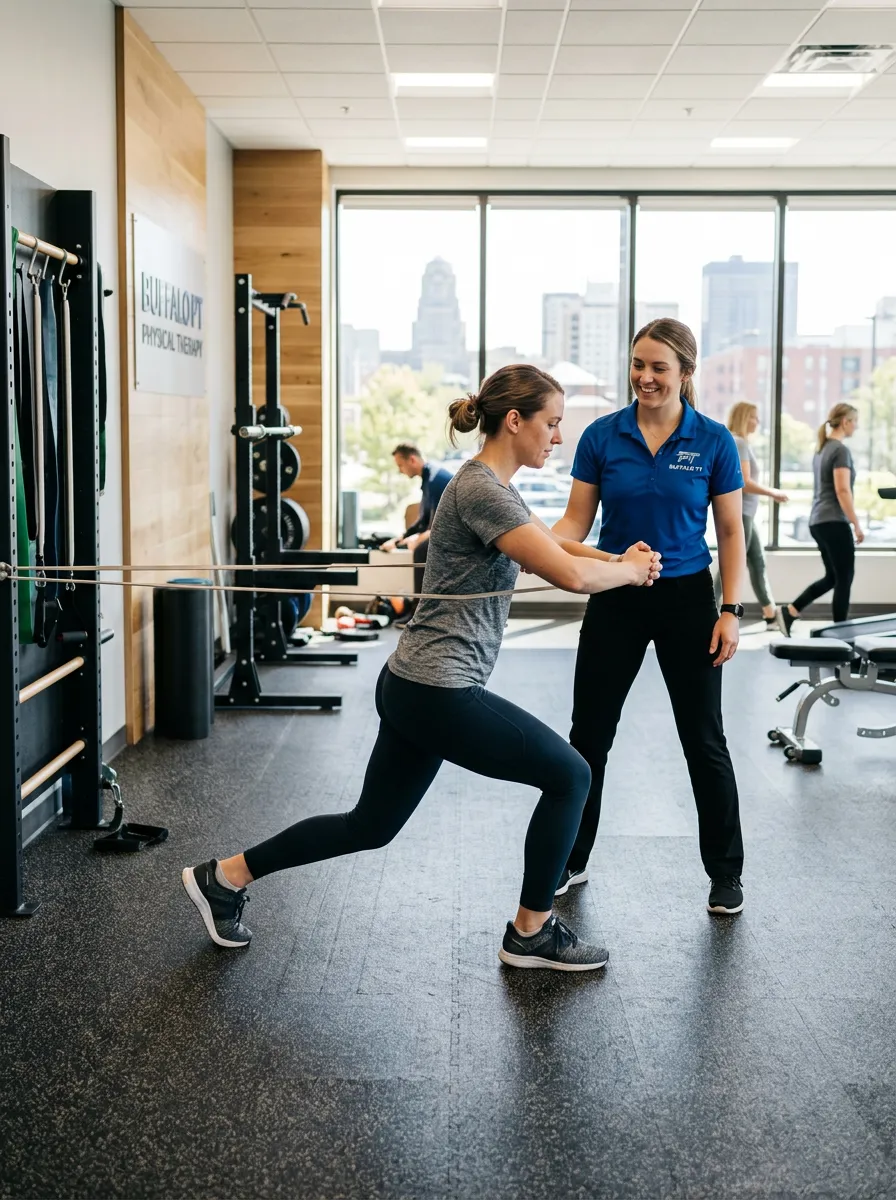
"Getting back on the slopes and jogging through Delaware Park without joint pain felt out of reach last winter. This team completely restored my active Buffalo lifestyle."
- MARK T., BUFFALO PATIENT & RUNNER
OUR LOCATION
CONVENIENT CARE NEAR LOWRY & EAST DENVER
Centrally located to serve patients across Lowry, East Denver, Aurora, and surrounding neighborhoods
with accessible parking and modern, state-of-the-art facilities.
Clinic Information
Practice Address
130 Rampart Way, Suite 110
Denver, CO 80230
Office Hours
Monday: 9:00 AM - 5:30 PM
Tuesday: 9:00 AM - 5:30 PM
Wednesday: 1:00 PM - 5:30 PM
Thursday: 9:00 AM - 5:00 PM
Friday: 9:30 AM - 3:30 PM
Saturday - Sunday: Closed
Closed during lunch: 12:00 PM - 1:00 PM
Direct Contact
Phone: (720) 916-8625
Email: [email protected]

GOT QUESTIONS? WE HAVE ANSWERS
FREQUENTLY ASKED QUESTIONS
Everything you need to know about our comprehensive process, service delivery, security protocols, and partnership model.
What Makes Buffalo Spines Approach Different?
Most sessions take just 10–15 minutes. Many patients feel improvement within the first few visits, especially when combined with strategic movement and recovery planning.
Is cold laser therapy safe?
Yes when performed when clinically appropriate under supervision of the doctor.
How many sessions do I need?
This depends on your condition. Acute injuries may improve in 3–5 sessions, while chronic pain may take 6–12.
Can I combine cold laser with chiropractic or rehab?
Absolutely. It often works best as part of a multi-modal care plan.
Will I feel anything during the session?
Most patients feel mild warmth or nothing at all. It is completely non-invasive and painless.
Is it covered by insurance?
Most insurance plans do not cover cold laser therapy, but it is included in our bundled care plans at Buffalo Spine Sports Chiropractic.
If you're tired of dealing with inflammation, joint pain, or slow recovery — Cold Laser Therapy can help you heal faster and feel stronger.
Call now or book online to schedule
Let’s get you back in motion — pain-free and performance-ready.
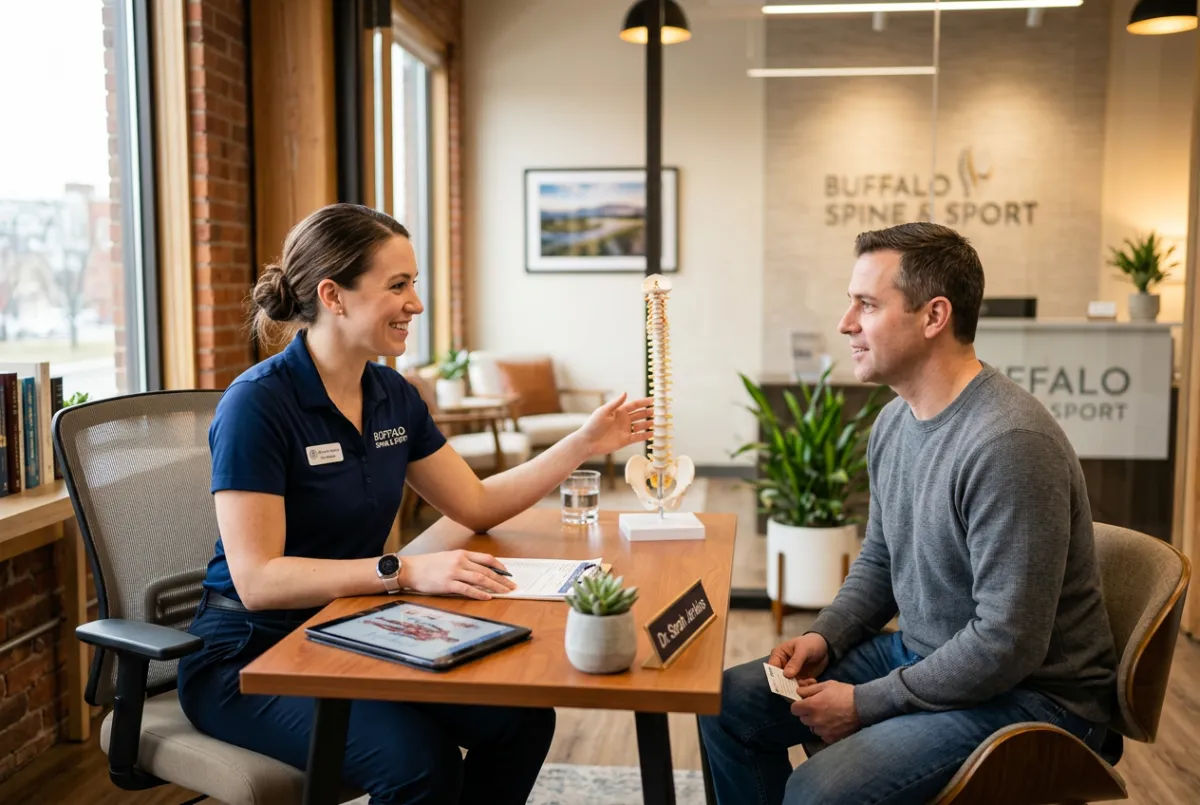
PERSONALIZED PAIN RELIEF
what to expect during the session?
Step 1: Evaluate - We begin with a complete movement and tissue assessment to identify the source of pain or dysfunction
Step 2: Cold Laser Application - The laser is directed over the targeted area. You may feel a mild warmth or tingling, but no pain. Treatment takes 5-15 minutes depending on the area.
Step 3: Post-Treatment Movement - We may prescribe mobility drills, corrective movement, or soft tissue work to lock in the benefits and accelerate your progress.
Same-week appointments available • Non-invasive & drug-free

At Buffalo Spine & Sport Chiropractic, we are evidence-based chiropractic rehabilitation and athletic sports medicine focused on biomechanical recovery, spine health, and sustainable performance.
Our Location
130 rampart Way,
Suite 110
Denver, CO 80230
Phone Number:
(720) 916-8625
Business Hours
Medical Disclaimer: The information provided on this website is for informational and educational purposes only and does not constitute medical diagnosis, treatment, or specific clinical advice. Evaluation by a licensed chiropractic physician is required prior to initiating any treatment plan. Buffalo Spine & Sport Chiropractic operates strictly as a fee-for-service / direct-pay practice.
© 2026 Buffalo Spine & Sport Chiropractic. All Rights Reserved. | Privacy Policy | Terms of Conditions | HIPAA Notice | Direct-Pay Financial Agreement