
EVIDENCE-BASED MUSCULOSKELETAL CARE
FUNCTIONAL DRY NEEDLING IN
DENVER, CO
Target deep muscular trigger points, restore natural joint biomechanics, and accelerate your recovery. At Buffalo Spine & Sport, our patient-first dry needling therapies are tailored to your unique movement demands and athletic goals.
Specialized Denver Clinic · 1-on-1 Provider Care · Evidence-Based
EVIDENCE-BASED CLINICAL DEFINITION
WHAT IS FUNCTIONAL
DRY NEEDLING?
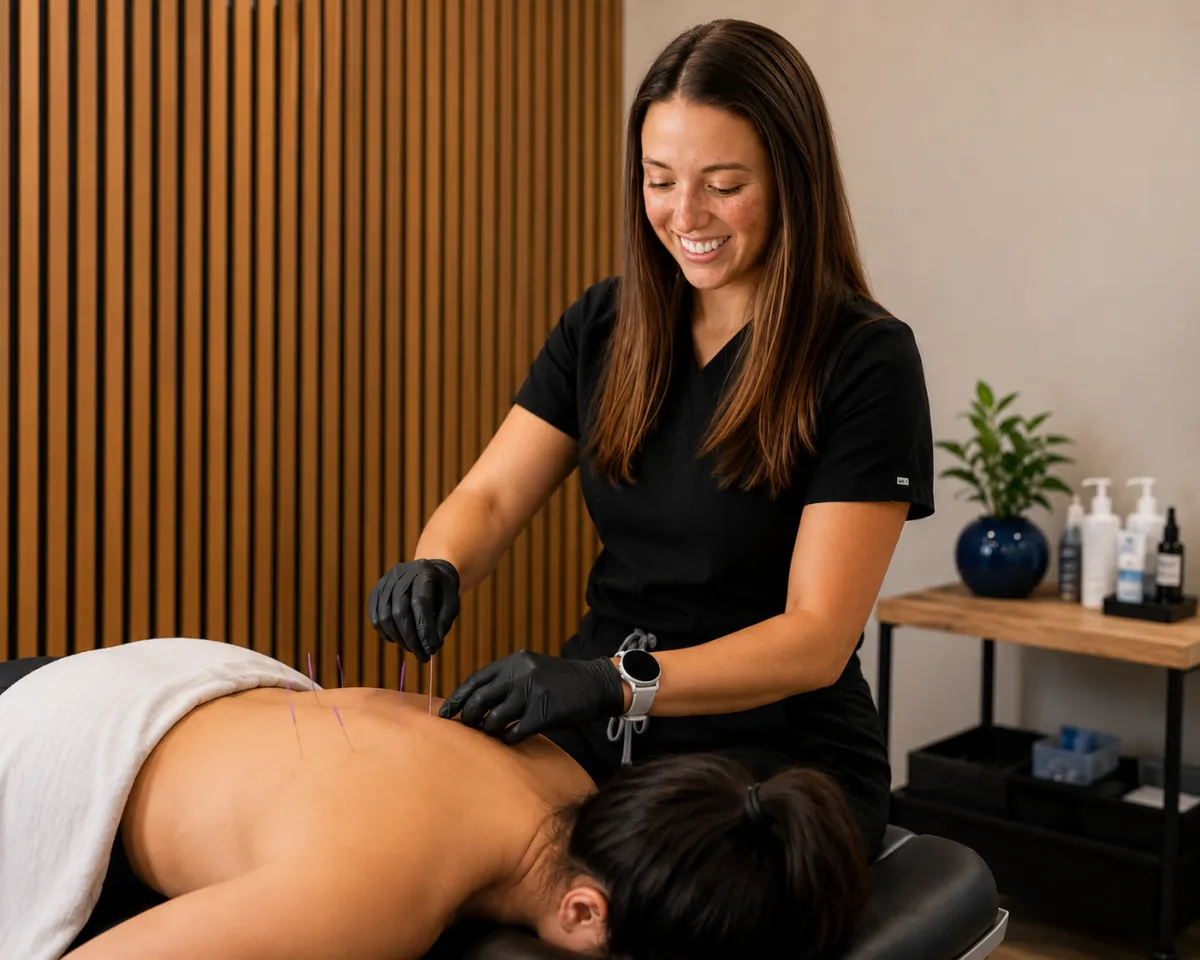
Functional Dry Needling (FDN) is a targeted therapeutic procedure in which a licensed clinician inserts fine, sterile, solid filiform needles into specific myofascial trigger points, taut muscle bands, and connective tissue. Unlike hypodermic needles used to inject medication, dry needling utilizes no fluid substances.
The mechanical stimulation of neuromuscular motor points elicits a localized twitch response, initiating biochemical and vascular changes that relieve neuromuscular compression, improve localized microcirculation, and restore functional tissue mobility.
- Precision targeting: Direct physical interaction with hyperirritable motor points
- Medical-grade filiform needles: Single-use, sterile, non-injectable instrumentation
- Evaluation-dependent protocol: Tailored strictly according to individualized clinical diagnostic findings
Clinical Note: Functional dry needling is not a standalone remedy or passive cure. Treatment eligibility and needle placement are strictly evaluation-dependent, determined after a comprehensive functional movement assessment.
MOVEMENT PHILOSOPHY
THE TECHNIQUE IS A TOOL
Dry needling creates rapid neurological and neuromuscular windows. Our comprehensive three-phase care framework ensures those windows translate directly into lasting athletic performance and pain-free biomechanics.
01
ASSESS & MAP
We begin with comprehensive functional movement testing and orthopedic palpation to identify the exact muscular imbalances, restricted planes, and neural trigger points driving compensation.
02
TREAT & RESET
Targeted clinical intervention downregulates hyperactive tissue, restores local microcirculation, and interrupts chronic pain loops to immediately free compromised joint mechanics.
03
PROGRESS & LOAD
Immediately reinforce the newly restored mobility with active stability drills, movement re-education, and progressive loading so your body locks in lasting athletic adaptations.
Evidence-Based Protocols : Integrated Sports Chiropractic Care
EVIDENCE-INFORMED TARGET AREAS
WHAT MAY IT HELP ADDRESS?
Functional dry needling is never applied in isolation or as a standalone cure. Following a comprehensive physical evaluation, it may be considered to help manage neuromuscular tension, reduce local muscle guarding, and support recovery across these common presentations:
NECK & CERVICAL TENSION
Persistent upper trapezius tightness, levator scapulae trigger points, and cervical postural fatigue from prolonged computer or desk work.
LUMBAR & GLUTEAL STIFFNESS
Deep lumbar paraspinal hypertonicity, quadratus lumborum stiffness, and gluteal taut bands associated with lifting or static sitting.
SHOULDER & SCAPULAR RESTRICTION
Rotator cuff guarding (infraspinatus, teres minor), subacromial movement restrictions, and periscapular tension affecting overhead reach.
TENSION HEADACHES & JAW STRAIN
Suboccipital hypertonicity contributing to cervicogenic headache patterns, temporomandibular clenching tension, and cranial-cervical fatigue.
HIP & PELVIC DYSFUNCTION
Piriformis tightness, deep hip rotators guarding, iliopsoas tension, and adductor strain limiting hip extension or rotation during gait.
KNEE & IT BAND DISCOMFORT
Tensor fasciae latae (TFL) hypertonicity, vastus lateralis trigger points, and quadriceps muscle guarding impacting knee tracking.
CALF, ANKLE & PLANTAR TENSION
Gastrocnemius and soleus trigger points, Achilles load stiffness, and posterior chain restriction influencing arch and foot mechanics.
ATHLETIC OVERUSE & RECOVERY
Repetitive strain from training volume, delayed recovery barriers, and localized neuromuscular tightness in runners, lifters, and athletes.
BIOLOGICAL MECHANICS & PHYSIOLOGY
HOW DOES IT WORK?
Functional dry needling works by creating targeted mechanical micro-lesions within hyperirritable muscle bands. This stimulates a local twitch response, normalizes tissue chemistry, and releases sustained muscle contractions without pharmacological agents.
01. TARGETED FILIFORM INSERTION
DISRUPTING THE SUSTAINED MUSCLE CONTRACTION
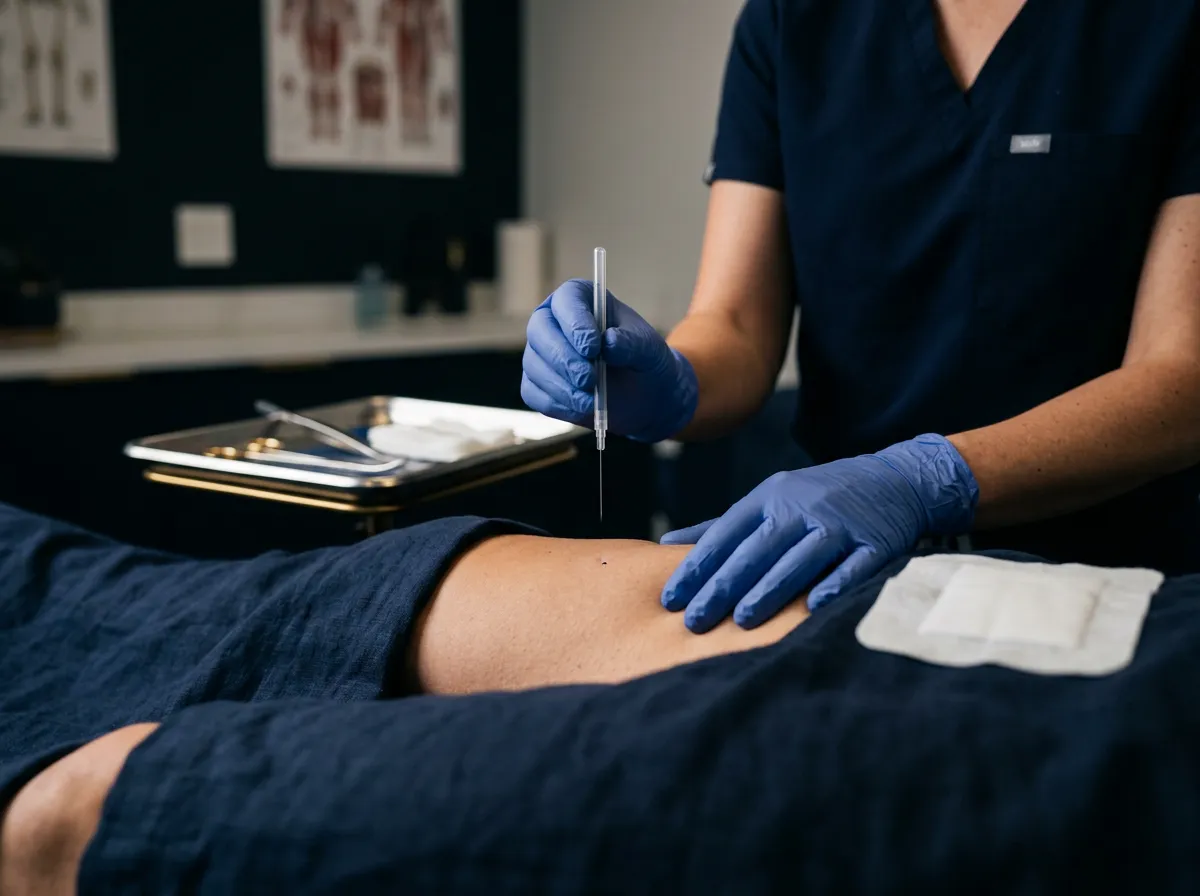
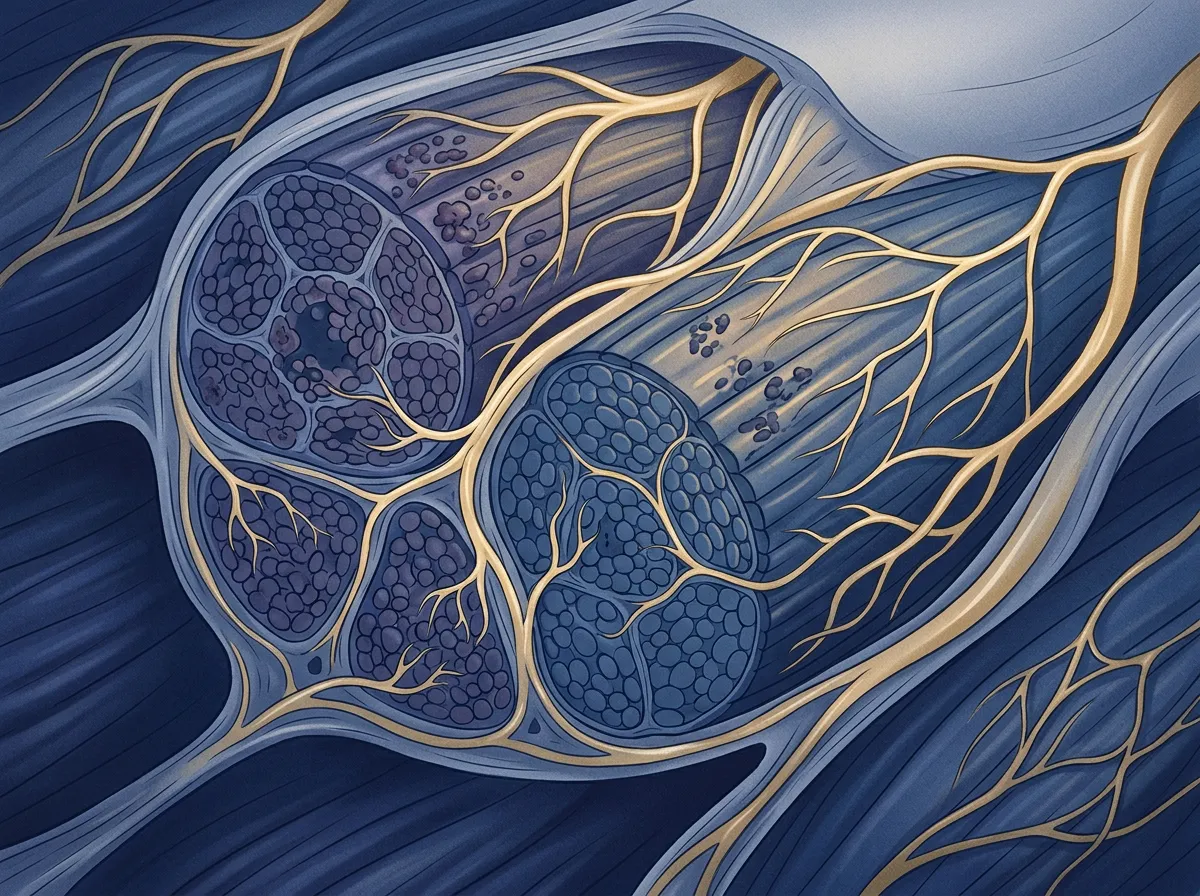
A clinician inserts an ultra-thin, solid monofilament needle directly into the myofascial trigger point. When the needle contacts the focal spasm, it elicits an involuntary spinal cord reflex known as a Local Twitch Response (LTR). This brief contraction immediately breaks the continuous actin-myosin cross-linking cycle holding the muscle in tension.
- Elicits a rapid Local Twitch Response (LTR) to deactivate trigger points
- Disrupts dysfunctional motor endplate activity mechanically
- Restores resting sarcomere length and muscle compliance
02. BIOCHEMICAL & VASCULAR RESET
RESTORING MICROCIRCULATION AND NEURAL TONE
Chronic myofascial taut bands compress local capillaries, starving the tissue of oxygen and pooling acidic inflammatory mediators (such as Substance P and CGRP). The mechanical stimulation from the needle induces localized vasodilation, flushing out metabolic waste and restoring microvascular perfusion.
- Flushes nociceptive and inflammatory chemicals from local tissue
- Increases microcirculation and delivers fresh oxygenated blood
- Modulates dorsal horn neural pathways to reduce pain sensitivity
CLINICAL TRANSPARENCY PRINCIPLE
DRY NEEDLING IS ONE COMPONENT OF CARE - NOT THE ENTIRE CARE PLAN.
While dry needling effectively downregulates hypertonic muscle tissue and resets neuromuscular signaling, true functional durability requires addressing underlying biomechanics. At Buffalo Spine & Sport Chiropractic, needling creates a critical neurological window that we immediately capitalize on with active rehab, spinal adjustments, and progressive load training.
CLINICAL PARADIGM COMPARISON
DRY NEEDLING VS ACUPUNCTURE
While both therapies utilize similar fine, sterile solid filiform needles, their underlying diagnostic frameworks, anatomical targets, and clinical intentions stem from distinct medical traditions.
FUNCTIONAL DRY NEEDLING
Western Neuromusculoskeletal Medicine
Grounded in modern Western neuroanatomy and functional movement science. Needles are placed directly into hyperirritable myofascial trigger points, motor points, and restricted connective tissues to elicit a local twitch response and normalize muscle tone.
- Theoretical Base: Neuroanatomy, myofascial trigger point science, and biomechanics
- Evaluation Method: Orthopedic exams, motion palpation, and functional movement assessment
- Target Tissue: Taut intramuscular bands, motor endplates, and sensitized neural junctions
- Clinical Objective: Elicit local twitch responses, alleviate focal tension, and restore joint mobility
- Practitioner Credentials: Licensed chiropractors, physical therapists, and medical doctors
TRADITIONAL ACUPUNCTURE
Traditional Chinese Medicine (TCM)
Rooted in centuries of Eastern medical philosophy. Needles are placed along energetic meridians and mapped acupoints to regulate systemic vitality (Qi), balance internal organ systems, and modulate neurological pain pathways across the entire body.
- Theoretical Base: Traditional Chinese Medicine (TCM), meridian pathways, and holistic energy flow
- Evaluation Method: Pulse diagnosis, tongue assessment, and systemic pattern differentiation
- Target Tissue: Predefined meridian acupoints positioned along 14 primary systemic channels
- Clinical Objective: Regulate Qi and blood circulation, address internal patterns, and promote homeostasis
- Practitioner Credentials: Licensed Acupuncturists (L.Ac) and Doctors of Acupuncture & Chinese Medicine
Clinical Summary: Both interventions provide meaningful therapeutic value within their respective clinical scopes. At Buffalo Spine & Sport Chiropractic, our providers employ functional dry needling specifically to address localized myofascial trigger points, joint restrictions, and movement-related neuromuscular dysfunction.
MULTI-MODAL ATHLETIC RECOVERY
MORE THAN ONE TOOL
Functional dry needling works best as a targeted component of a comprehensive recovery system. We integrate precise neuromuscular releases with joint restoration, active loading, and tissue regeneration.
SPORTS CHIROPRACTIC
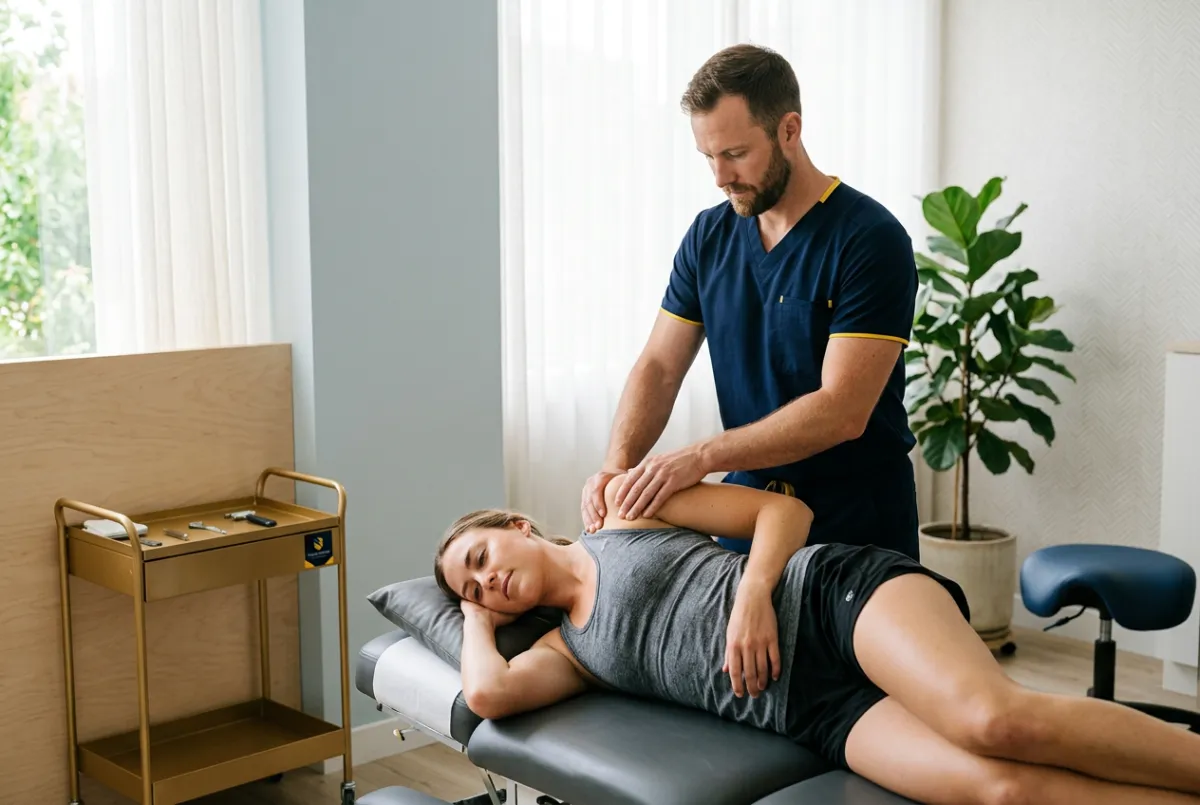
Targeted spinal and extremity joint mobilization restoring optimal biomechanics and kinetic chain power transfer.
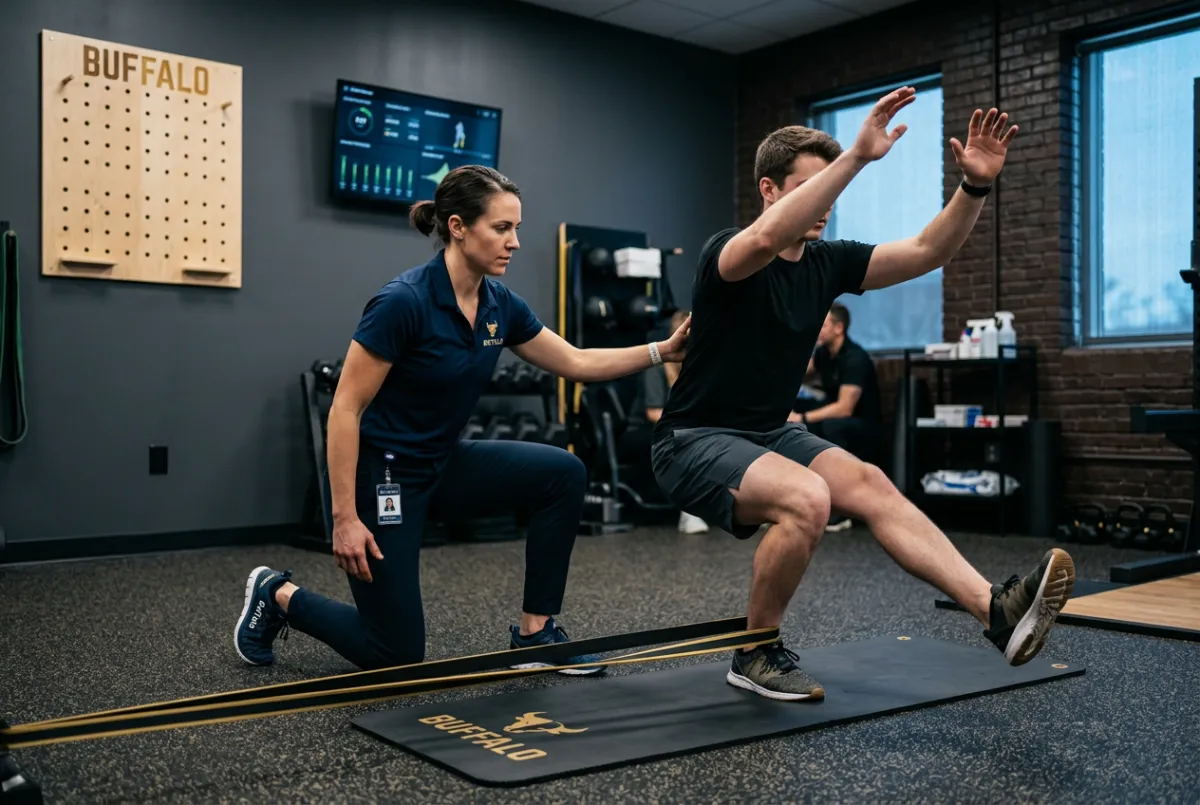
PHYSICAL REHAB & PT
Evidence-guided movement patterning, progressive resistance, and sport-specific loading to solidify new tissue capacity.
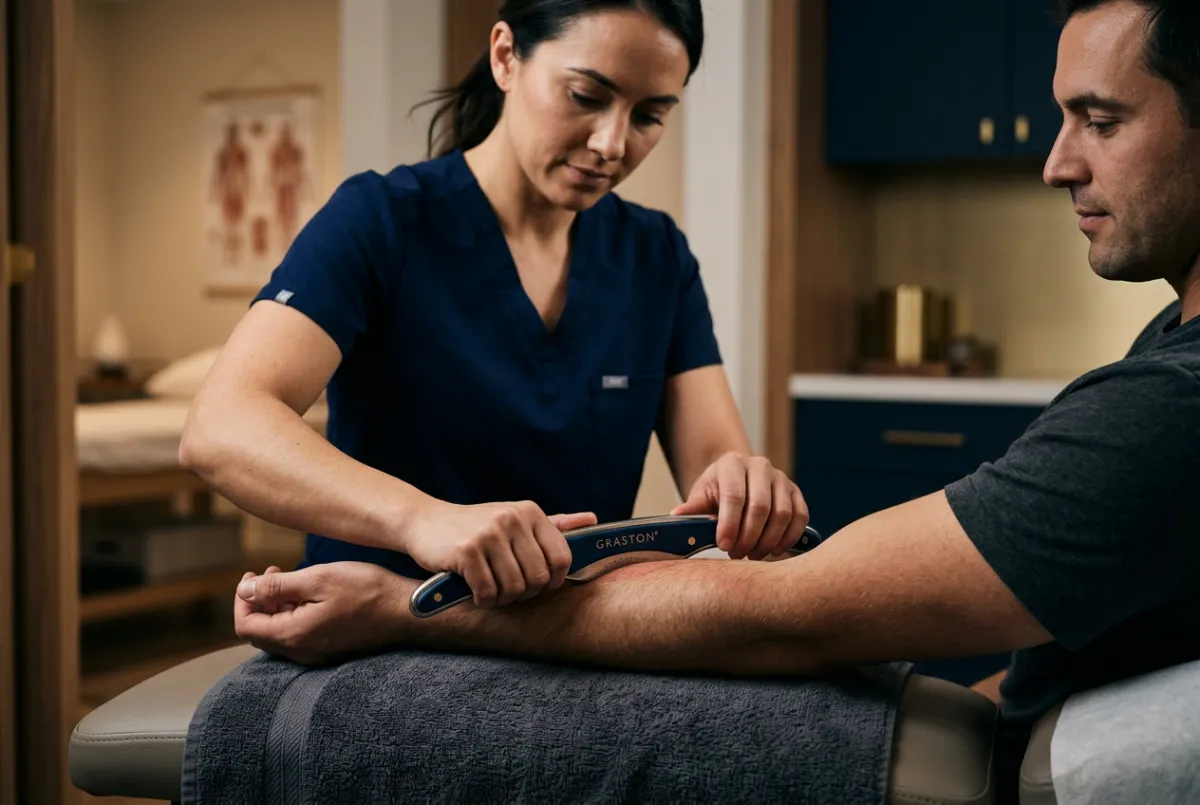
GRASTON & IASTM
Specialized stainless steel cross-fiber friction to break down dense fascial adhesions and stimulate collagen synthesis.
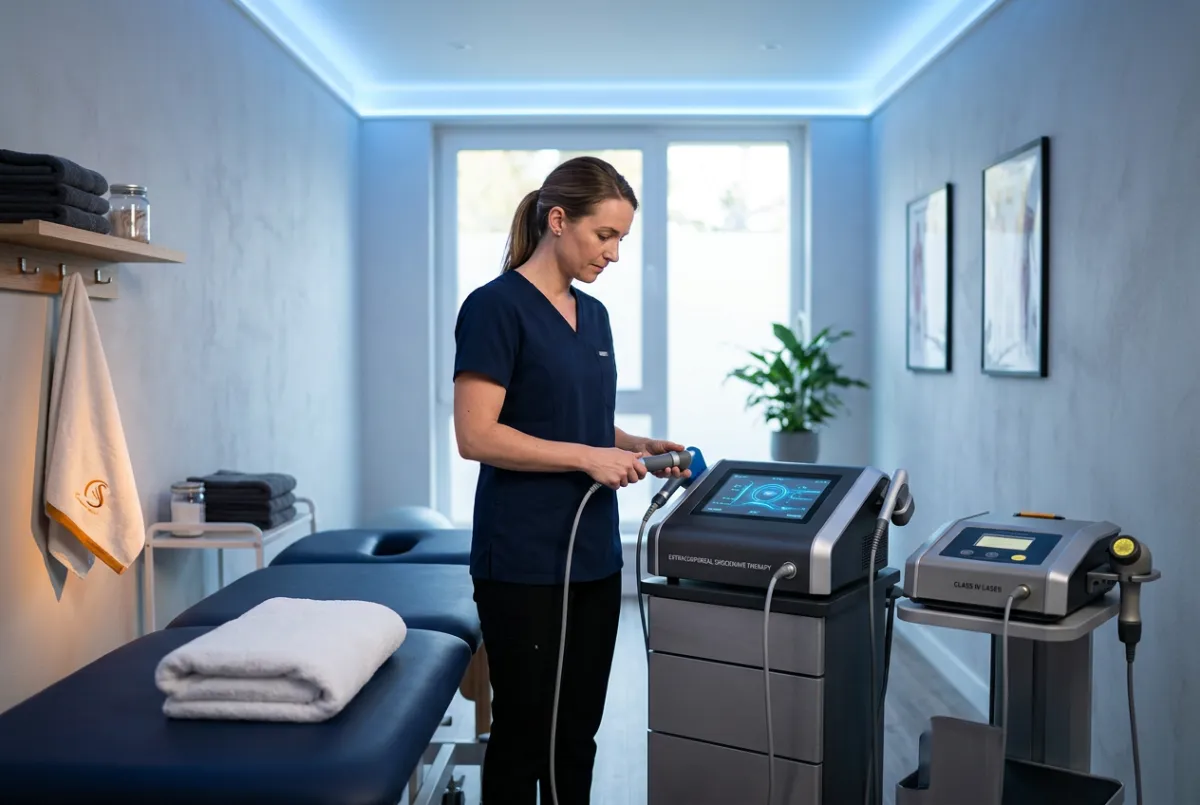
SHOCKWAVE & LASER
Acoustic pressure waves and photobiomodulation triggering rapid microvascular repair in stubborn chronic tendinopathies.
STEP-BY-STEP CLINICAL PROTOCOL
WHAT TO EXPECT DURING YOUR SESSION
We demystify every visit with a structured, three-stage clinical workflow designed to prioritize diagnostic accuracy, patient comfort, and measurable functional change.
PHASE 01
FUNCTIONAL EVALUATION
Every session begins with a rigorous biomechanical and orthopedic screen. We palpate dysfunctional tissue bands, test joint mobility, and map specific neuromuscular trigger points responsible for movement restriction before selecting target sites.
PHASE 02
TARGETED APPLICATION
Using sterile, single-use solid micro-filaments, your provider gently accesses the identified taut motor bands. Patients typically notice a brief local twitch response or mild dull pressure, signaling immediate neuromuscular decompression.
PHASE 03
FUNCTIONAL REASSESS
Immediately post-procedure, we re-test joint range of motion, muscle firing patterns, and symptom reproduction to verify objective progress. Your clinician then provides customized post-care movement cues to lock in gains.
Clinical Note: Individual responses and post-treatment sensations vary according to tissue chronicity, training load, and underlying neuromusculoskeletal health. Mild post-session soreness is normal and typically resolves within 24 to 48 hours.
TRANSPARENT CLINICAL OVERVIEW
DOES DRY NEEDLING HURT?
We do not claim dry needling is entirely painless. Most patients feel very little as the ultra-thin, solid filiform needle enters the skin, but when a tight trigger point is reached, you will typically experience a quick local twitch response. Patients describe this sensation as a brief deep cramp, a mild ache, or a quick electric sensation lasting only a fraction of a second.
Following your session, mild muscle soreness is common for 24 to 48 hours. This sensation closely mimics the dull ache experienced after a demanding workout and is a normal indicator that the neuromusculoskeletal reset process is underway.
- Ultra-fine filiform needles: Much thinner than standard hollow injection needles
- Immediate feedback: Treatment pace is always adjusted to your personal comfort level
- Temporary response: Post-session soreness resolves naturally within 24 to 48 hours
OUR COMFORT STANDARD
Every procedure at Buffalo Spine & Sport is guided by real-time clinician communication. We continuously evaluate muscle tone, explain sensations beforehand, and maintain complete control over needle depth and duration.
THE BUFFALO DIFFERENCE
CARE BUILT AROUND THE PERSON
We reject one-size-fits-all symptom chasing. Every dry needling plan at Buffalo Spine & Sport Chiropractic is calibrated around your movement patterns, sport demands, and physical milestones.
1. INDIVIDUALIZED EVALUATION
We pinpoint myofascial trigger points with precision palpation and neuromuscular screening tailored specifically to your body's structural asymmetry.
2. MULTIMODAL INTEGRATION
Needling is never practiced in isolation. We combine target-tissue release with soft tissue mobilization and joint mechanics for compound clinical outcomes.
3. MOVEMENT-FOCUSED RECOVERY
We translate immediate tension reduction into active athletic loading patterns, restoring dynamic range of motion that holds up outside the clinic.
4. PROGRESS-BASED PLANNING
Objective re-evaluations measure functional improvements at every visit, ensuring needle therapy frequency tapers as your strength and resilience take over.
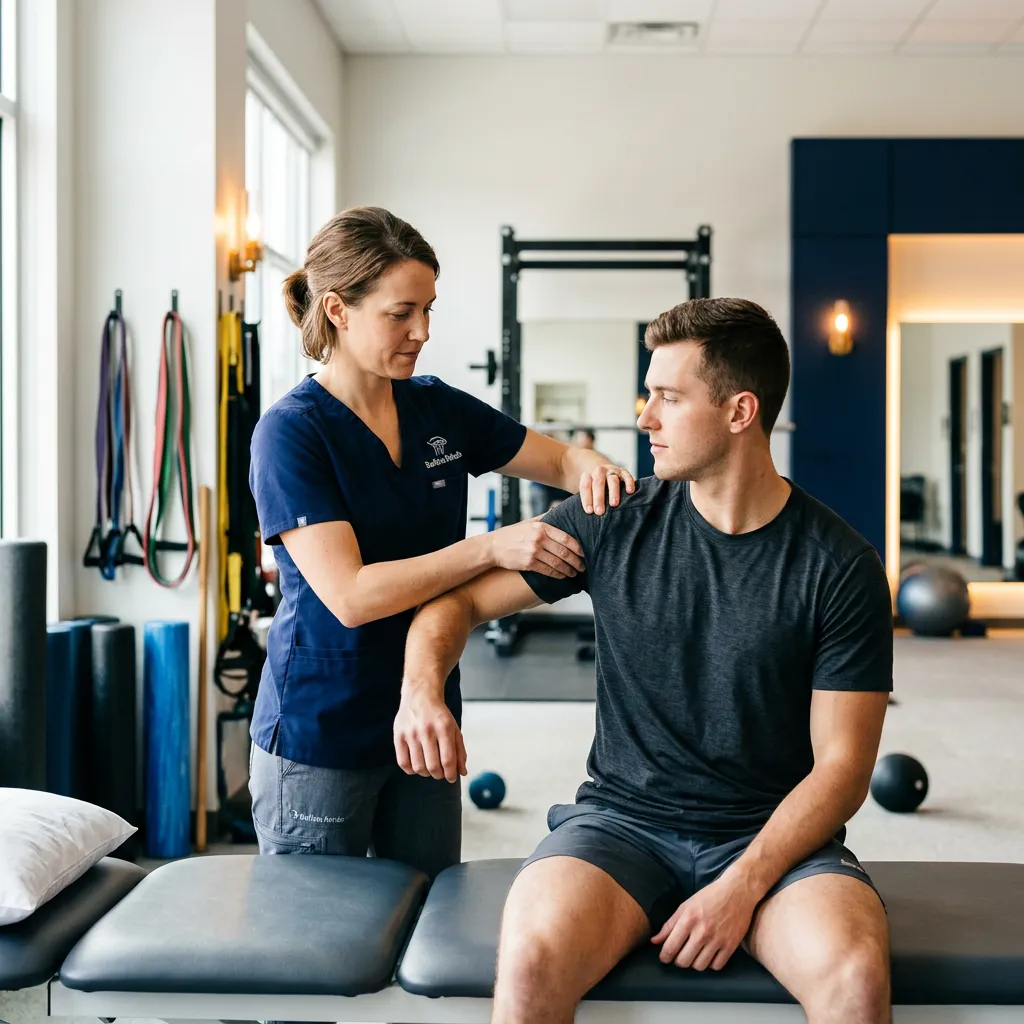
EVIDENCE-BASED PRACTITIONERS
Every clinician at Buffalo holds advanced certifications in functional dry needling and sports rehabilitation to ensure highest clinical standards.
TAKE THE NEXT STEP IN RECOVERY
LET'S HELP YOU MOVE & IMPROVE
Schedule a comprehensive clinical evaluation with our sports chiropractic team. We evaluate neuromuscular dysfunction, target deep trigger points, and design individualized care plans to restore confident movement.
Evidence-Based Protocols • Denver Colorado Clinical Office • One-on-One Provider Care
EVALUATION, AFTERCARE & PROTOCOLS
FUNCTIONAL DRY NEEDLING FAQ
Direct, evidence-informed answers detailing clinical assessment requirements, treatment cadences, and post-procedure protocols for Denver patients and active athletes.
Is a comprehensive functional evaluation required prior to dry needling?
Yes. At Buffalo Spine & Sport Chiropractic, every dry needling protocol begins with a thorough musculoskeletal and neuro-functional assessment. Our clinicians evaluate movement patterns, joint mechanics, and specific myofascial trigger points to confirm that intramuscular stimulation is safe and clinically appropriate for your condition.
How many dry needling sessions are typically recommended?
Treatment frequency depends on whether the injury is acute or chronic. Most patients and athletes experience meaningful functional improvements within 3 to 6 targeted sessions. Progression is systematically re-evaluated at each appointment to adapt your rehabilitation plan.
What post-treatment aftercare protocols should I follow?
Aftercare focuses on tissue hydration and recovery. We recommend maintaining light active mobility, staying well-hydrated, and applying moist heat if temporary post-procedure stiffness occurs. Strenuous maximum-load training on targeted muscles is best avoided for 12 to 24 hours.
Can I exercise or participate in sports following a session?
Light aerobic movement and prescribed corrective mobility exercises are encouraged immediately following treatment to reinforce neuromuscular patterns. High-intensity resistance training and competitive sports involving the treated muscle groups should typically wait until the following day.
How does dry needling integrate with chiropractic adjustments?
Dry needling releases localized trigger point tension and resets resting neuromuscular tone, allowing joint mobilizations and chiropractic adjustments to be more effective and longer-lasting. Combining soft-tissue reset with structural adjustments delivers comprehensive rehabilitation.
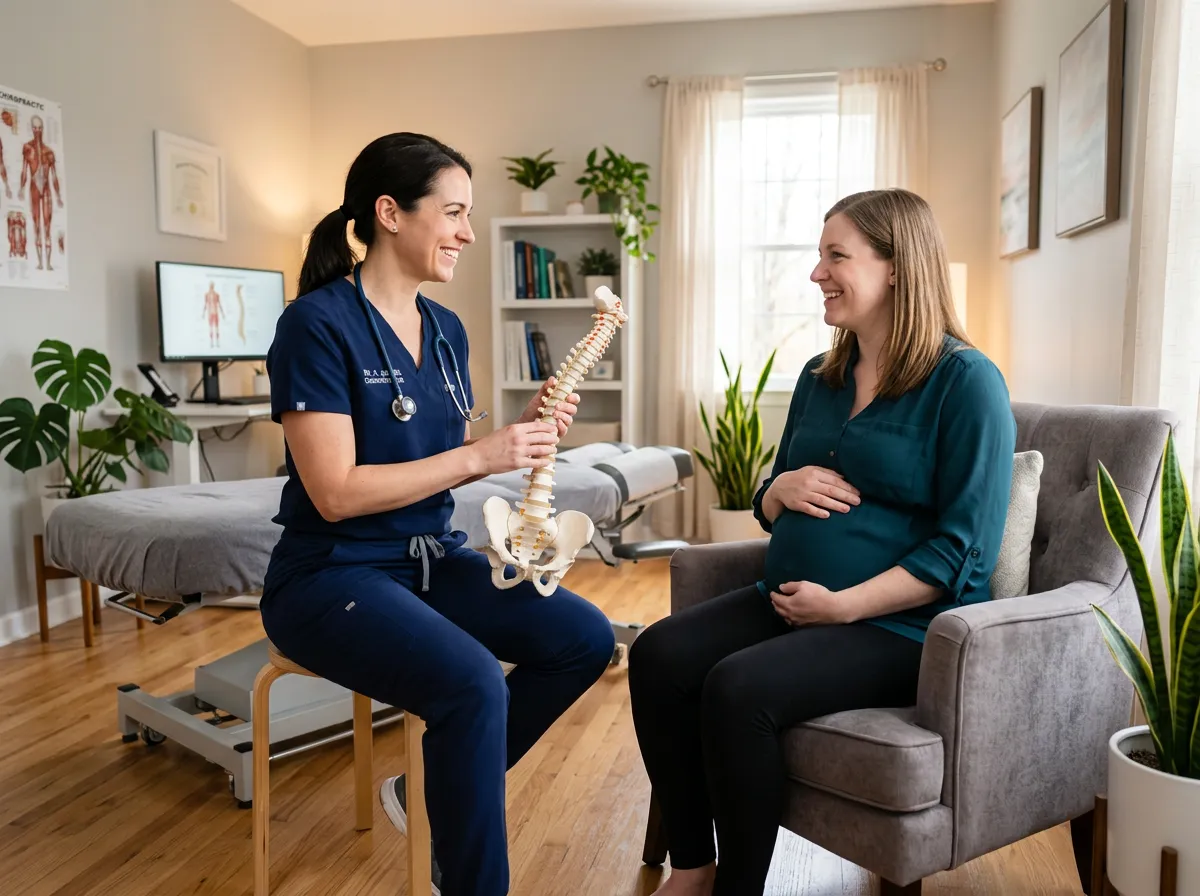
WEBSTER DURING PREGNANCY
Why do pregnant patients ask about the Webster Technique?
Pregnant patients frequently seek the Webster Technique to relieve pregnancy-related pelvic tension, lower back stress, and postural strain caused by shifting center of gravity and hormonal ligament laxity. It is a specific chiropractic sacral analysis and diversified adjustment designed to restore neuro-biomechanical balance to the pelvis and surrounding soft tissues.
- Reduces asymmetrical tension in pelvic musculature and supporting ligaments
- Supports functional pelvic alignment and daily movement comfort throughout all trimesters
- Provides gentle, non-invasive biomechanical care tailored specifically for expectant mothers
Clinical Note: The Webster Technique is not a fetal-positioning procedure and does not replace prenatal or obstetric care.