
CAR ACCIDENT & WHIPLASH CARE • DENVER, CO
WHIPLASH TREATMENT IN DENVER, CO
Specialized chiropractic care, spinal rehabilitation, and non-invasive injury therapy to eliminate neck pain, restore range of motion, and prevent chronic damage after an auto accident.
Same-Day Appointments Available • Auto Insurance & Med-Pay Accepted • Direct Legal Billing Support
QUICK CLINICAL DEFINITION
WHAT IS WHIPLASH?
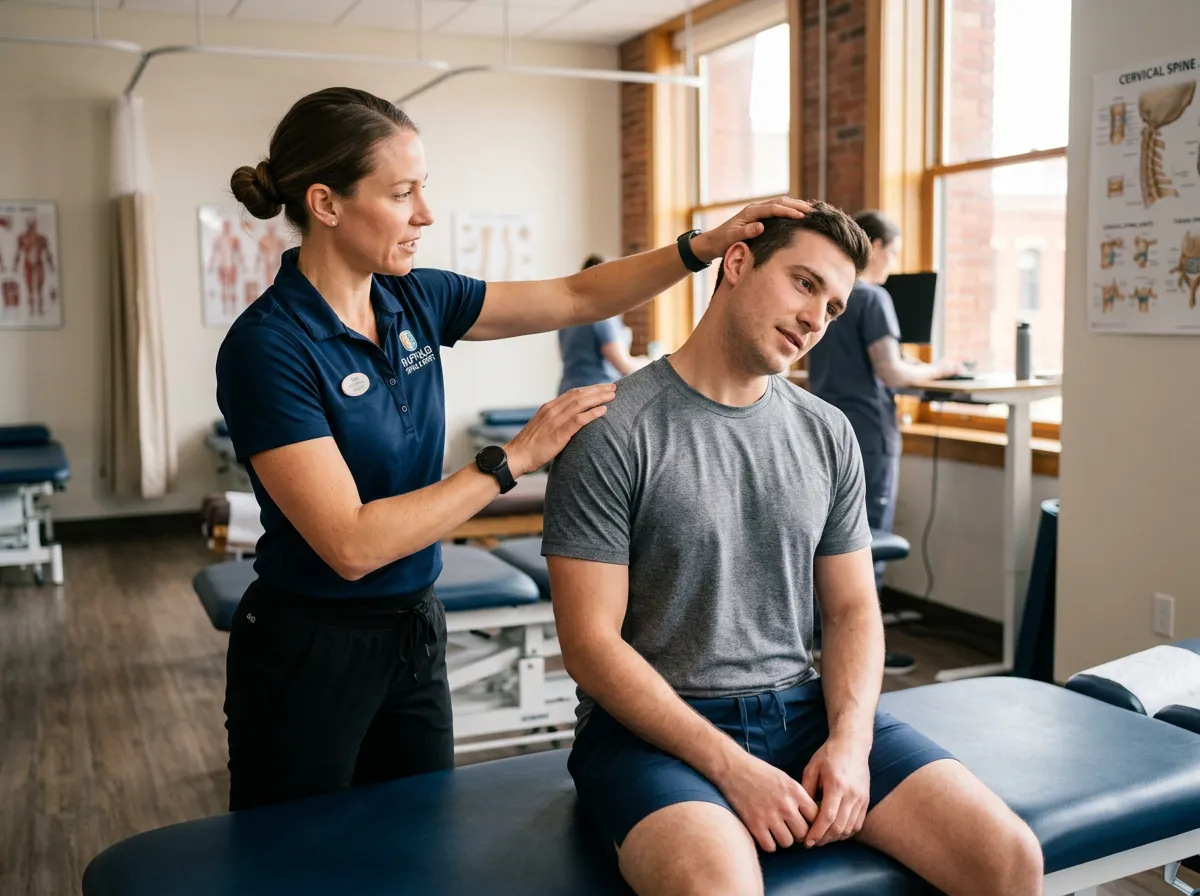
Whiplash is an acute cervical spine injury caused by rapid, forceful back-and-forth movement of the neck, most commonly sustained during motor vehicle collisions. This sudden acceleration-deceleration force hyperextends and damages cervical muscles, ligaments, and spinal joints, triggering severe neck stiffness, chronic headaches, radiating shoulder pain, and restricted mobility.
COMMON POST-COLLISION WARNING SIGNS
WHAT CAN WHIPLASH FEEL LIKE?
Whiplash symptoms often develop gradually over 24 to 72 hours following an impact. Identifying these clinical indicators early protects long-term cervical stability and personal injury claims.
Neck Pain & Deep Soreness
A persistent, throbbing ache along the cervical spine that intensifies when turning your head, looking downward, or sitting for prolonged periods.
- Sharp localized muscle spasms
- Deep myofascial tenderness
- Pain aggravation with movement
Restricted Range of Motion
Severe cervical stiffness causing difficulty checking blind spots, rotating the chin toward either shoulder, or tilting the head backwards comfortably.
- Tightness locking the upper neck
- Difficulty rotating past 45 degrees
- Morning stiffness that lingers
Cervicogenic Headaches
Headaches that originate at the base of the skull (occipital region) and radiate upward behind the eyes, temples, or forehead with pressure.
- Occipital base pain spreading forward
- Sensitivity to screen light and sound
- Unresponsive to standard painkillers
Radiating Shoulder & Arm Pain
Nerve impingement causing radiating discomfort, numbness, or tingling pins-and-needles down the shoulder blades, upper back, and into hands.
- Cervical radiculopathy signs
- Pins-and-needles down the forearm
- Grip weakness or finger numbness
Dizziness & Vestibular Disturbance
Disruption to neck proprioceptors and inner ear pathways, triggering disequilibrium, motion intolerance, mild nausea, and feeling ungrounded.
- Postural imbalance when standing
- Brief lightheadedness with head turns
- Tinnitus or ear fullness sensations
Fatigue & Cognitive Fog
Constant neuromuscular strain and disrupted sleep patterns that cause exhaustion, mental fogginess, irritability, and decreased focus at work.
- Interrupted sleep from neck discomfort
- Difficulty sustaining focus on tasks
- Persistent systemic energy drain
Same-day diagnostic appointments available : Insurance & attorney lien billing supported
DELAYED INJURY AWARENESS
CAN WHIPLASH SYMPTOMS SHOW UP AFTER THE ACCIDENT?
Yes. It is extremely common for whiplash symptoms to remain hidden for 24 hours, several days, or even weeks following a collision. During an impact, adrenaline and natural shock mask soft tissue damage while deep cervical inflammation gradually builds.
The Adrenaline Delay
High endorphin and adrenaline surges immediately post-crash temporarily block pain signals, leading many victims to believe they escaped unharmed.
Progressive Inflammation
Micro-tears in neck ligaments, muscles, and tendons trigger swelling that intensifies over 48 to 72 hours, resulting in stiffening and radiating soreness.
Early Care Prevents Damage
Getting examined right away helps document hidden injuries, prevents chronic scar tissue formation, and supports full physical and legal recovery.
Prompt evaluation within 72 hours ensures proper documentation and optimal recovery.
CRITICAL MEDICAL TIMELINE
WHEN SHOULD YOU GET EVALUATED AFTER A CAR ACCIDENT?
Adrenaline frequently masks severe soft-tissue micro-trauma, spinal misalignment, and concussions. Getting evaluated promptly protects both your long-term health and your insurance claim eligibility.
Critical Evaluation Criteria & Windows
Seek an immediate clinical exam if you experience any of the following timelines or symptom profiles:
- Within the first 24 to 72 hours: Critical legal and medical window to document hidden whiplash and soft-tissue sprains.
- Delayed neck stiffness, upper back soreness, or restricted cervical range of motion.
- Persistent headaches, dizziness, brain fog, light sensitivity, or mild concussive indicators.
- Numbness, tingling sensations, or radiating pain into your shoulders, arms, or lower extremities.
- Chest wall soreness or abdominal bruising resulting from seatbelt and airbag impact.
Do Not Delay Your Evaluation
Many states enforce strict statutory deadlines for medical coverage eligibility following an auto collision. Early diagnosis ensures proper recovery protocols and full personal injury protection documentation.
Same-day appointments & insurance coordination available
THE BUFFALO APPROACH
A disciplined, four-stage strategic methodology engineered to understand challenges, build decisive action plans, and accelerate sustainable growth.
01
LISTEN
We conduct an intensive discovery deep-dive to fully understand your operational nuances, specific bottlenecks, and definitive goals.
02
EVALUATE
We analyze current systems, pinpoint friction points, and perform a rigorous competitive audit to isolate your greatest opportunities.
03
PLAN
We construct an actionable, prioritized roadmap tailored with precise timelines, resource allocation, and key performance targets.
04
PROGRESS
We execute with precision, continuously monitoring key metrics and iterating strategies to lock in long-term compounding success.
EVIDENCE-BASED CLINICAL SOLUTIONS
HOW MAY WHIPLASH BE TREATED?
Whiplash recovery requires a multi-faceted clinical approach to eliminate pain, realign injured cervical vertebrae, repair soft tissue micro-tears, and restore long-term musculoskeletal function.
Chiropractic Spinal Adjustments
Targeted cervical manipulations gently mobilize restricted joints, re-align subluxated vertebrae, and alleviate direct nerve root irritation caused by rapid hyper-flexion trauma.
- Restores cervical curvature & mobility
- Reduces pinched nerve compression
- Minimizes radiating headache symptoms
Manual & Myofascial Therapy
Hands-on soft tissue mobilization, trigger-point release, and therapeutic massage reduce intense post-accident muscular guarding, break down scar tissue, and improve localized micro-circulation.
- Releases persistent neck & shoulder spasms
- Breaks down inflammatory adhesions
- Accelerates cellular oxygenation and repair
Active Rehabilitation & Stability
Customized isometric exercises and progressive cervical stabilization protocols rebuild deep neck flexor strength, correct compensatory posture, and prevent chronic vulnerability.
Strengthens deep cervical stabilizing muscles
Restores full rotational range of motion
Prevents recurring flare-ups and instability
HOLISTIC INJURY ASSESSMENT & RECOVERY
WHIPLASH CAN AFFECT MORE THAN HOW YOUR NECK FEELS.
Cervical acceleration-deceleration trauma reverberates across your central nervous system, posture, and equilibrium. Discover how secondary symptoms manifest across the entire body.
Neurological & Cognitive Fatigue
Tension at the base of the skull disrupts microcirculation and neural signaling, leading to chronic tension headaches, difficulty concentrating, memory fog, and disrupted sleep architecture.
Kinetic & Postural Compensation
When cervical ligaments overstretch, the thoracic spine and shoulder girdle involuntarily spasm to stabilize your head, radiating chronic pain down your upper back, mid-spine, and arms.
Vestibular & Balance Disturbances
Deep cervical proprioceptors relay spatial orientation to your inner ear. Impact trauma distorts these signals, creating bouts of unsteadiness, mild dizziness, and visual tracking discomfort.
Same-week appointments available. No referral required for initial evaluation.
OUR PROVEN PROCESS
WHAT TO EXPECT
A clear, structured walkthrough of every milestone from initial discovery to long-term success.
01
Initial Discovery
We audit your current position, clarify core objectives, and map out requirements.
02
Strategy & Plan
A tailored blueprint detailing deliverables, exact timelines, and key performance benchmarks.
03
Execution & Launch
Rapid development with transparent updates, strict quality testing, and seamless rollout.
04
Scale & Support
Continuous optimization, performance monitoring, and proactive guidance for sustained growth.
INJURY TIMELINE & PROGNOSIS
HOW LONG DOES WHIPLASH TAKE TO RECOVER?
Most mild to moderate whiplash injuries resolve within a few weeks with appropriate therapeutic care, while severe soft tissue strain can require months of targeted rehabilitation.
STAGE 1: ACUTE PHASE
Days 1 to 14
Initial inflammation, stiffness, and neck soreness peak within 24 to 72 hours. Early gentle mobility exercises and professional assessment help prevent muscle guarding.
STAGE 2: SUBACUTE PHASE
2 to 6 Weeks
Most patients regain standard cervical range of motion. Structured physical therapy, ergonomic adjustments, and muscle re-strengthening accelerate full tissue healing.
STAGE 3: EXTENDED REHAB
3+ Months
Severe ligament sprains, nerve impingement, or pre-existing cervical issues may require extended therapeutic management and interventional care plans.
Comprehensive diagnostic examination & custom rehabilitation roadmaps
CRITICAL CLINICAL DISTINCTION
IS WHIPLASH THE SAME AS ORDINARY NECK PAIN?
No. While everyday neck soreness is typically a superficial muscle fatigue issue, whiplash is a rapid acceleration-deceleration trauma that damages deep spinal ligaments, facet joints, and neurological pathways.
Ordinary Neck Pain
Caused by poor ergonomics, sleeping positions, or static muscle strain over time.
- Gradual, predictable onset after fatigue or poor posture
- Localized to superficial muscular layers in neck & shoulders
- Responds readily to basic rest, heat, and light stretching
- Rarely causes concussion, dizziness, or radiating neurological signs
Whiplash Trauma (CAD)
Violent kinetic force causes micro-tears in cervical ligaments and joint capsules.
- Delayed symptom onset: inflammation often peaks 24 to 72 hours post-impact
- Deep structural trauma involving anterior longitudinal ligaments and discs
- Commonly accompanied by migraine, brain fog, vertigo, and visual shifts
- Requires targeted orthopedic stabilization to prevent chronic instability
Left untreated, 43% of whiplash patients develop chronic spinal biomechanical dysfunction. Early imaging and specialized care are essential.
HOLISTIC WELLNESS & RESTORATION
MORE THAN AN ADJUSTMENT
True healing extends beyond quick fixes. Our personalized methodology combines precise structural alignment with nervous system optimization, restorative therapy, and lifelong movement resilience.
Precision Structural Alignment
Pinpoint joint and spinal adjustments targeting the root cause of nerve impingement, reducing chronic pressure and restoring functional biomechanics.
- Targeted nerve decompressions
- Advanced computerized posture scan
- Immediate tension dissipation
Neuromuscular Reconditioning
Integrating soft-tissue mobilization and myofascial release to retrain compensating muscle patterns and stabilize joint function throughout everyday movement.
- Myofascial trigger point release
- Postural kinetic retraining
- Decreased recurring inflammation
Long-Term Preventative Care
Empowering you with ergonomic education, customized home mobility routines, and proactive check-ins that protect your active lifestyle for years to come.
- Customized spinal stretch protocols
- Ergonomic workstation audits
- Sustainable nervous system vitality
OUR CORE DIFFERENCE
CARE BUILT AROUND THE PERSON.
We do not treat symptoms in isolation. Our clinical model coordinates specialized medical expertise, continuous communication, and tailored therapy plans crafted around your life.
Individualized Care Plans
Every recovery roadmap is calibrated to your health baseline, daily schedule, and personal recovery milestones for lasting outcomes.
Dedicated Care Concierge
Direct access to your primary care coordinator. No phone trees or repeating your medical history to unfamiliar staff.
Whole-Person Support
Integrating nutritional guidance, physical therapy, and emotional resilience to safeguard your complete well-being.
DENVER AUTO ACCIDENT RECOVERY
WHIPLASH TREATMENT IN DENVER
Whiplash injuries can cause persistent cervical spine pain, severe headaches, and restricted range of motion if left untreated. Our specialized Denver chiropractic clinic provides targeted spinal rehabilitation, digital diagnostics, and comprehensive injury recovery plans tailored to auto collision patients.
- Same-day consultations for auto accident patients
- Detailed documentation and direct billing with auto insurance/attorneys
- Targeted neck, spine, and soft-tissue therapy programs
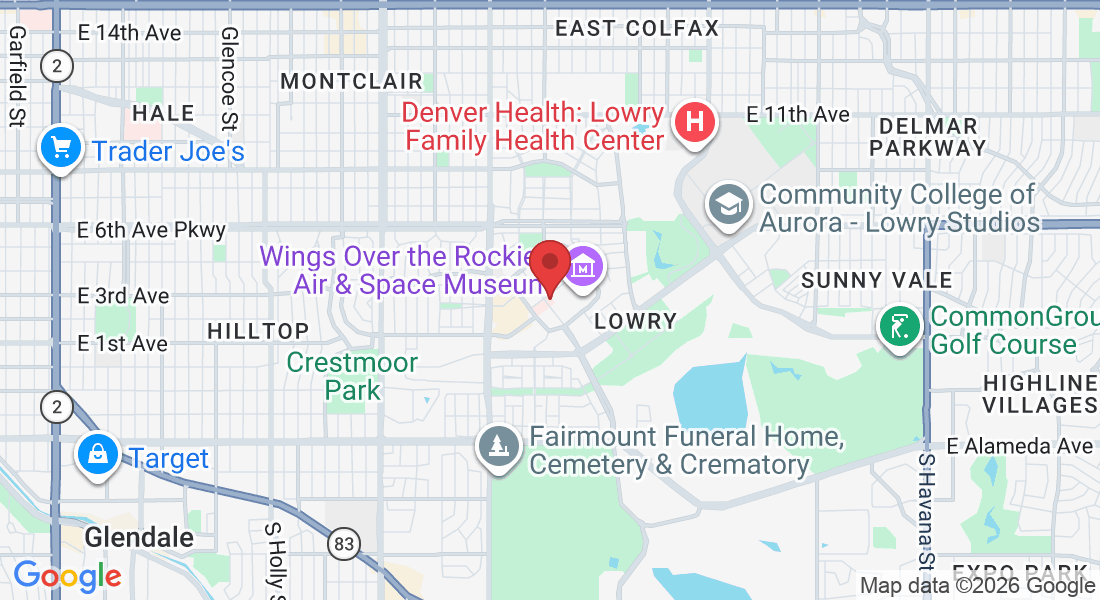
Denver Clinic Location
Address:
130 Rampart Way, Suite 110
Denver, CO 80230
Hours of Care:
Mon - 9:00 AM - 5:30 PM
Tue - 9:00 AM - 5:30 PM
Wed - 1:00 PM - 5:30 PM
Thur - 9:00 AM - 5:30 PM
Fri - 9:30 AM - 3:30 PM
Closed during Lunch 12:00 PM - 1:00 PM
Sat & Sun: Closed
WHIPLASH TREATMENT FAQ
COMMON QUESTIONS AFTER A CAR ACCIDENT
Clear answers about whiplash, neck pain after a car accident, evaluation, treatment, and what to expect at Buffalo Spine & Sport Chiropractic in Denver.
What is whiplash?
Whiplash is a neck injury mechanism commonly associated with rapid acceleration and deceleration of the head and neck, such as during a car accident injury. Symptoms can vary, and an evaluation helps determine what may be contributing and what next steps may be appropriate.
What are common symptoms of whiplash?
Common whiplash symptoms may include neck pain, neck stiffness, reduced range of motion, headaches, upper-back discomfort, shoulder discomfort, and soreness with turning or looking up/down. These symptoms can have causes other than whiplash, which is why assessment matters.
Can whiplash symptoms appear after a car accident?
Yes. Some people notice symptoms right away, while others develop neck pain after a car accident later that day or over the next few days. Timing alone doesn’t indicate severity, so an evaluation can help determine what’s going on.
When should I get evaluated for neck pain after a car accident?
If you develop neck pain, stiffness, headaches, or movement limitations after a collision—or symptoms are changing or not improving as expected—an evaluation may be appropriate. For urgent or concerning symptoms, seek prompt medical care.
Can a chiropractor evaluate whiplash?
Yes. A chiropractor can perform a musculoskeletal evaluation to assess neck movement, tolerance, and functional limitations, and determine whether conservative care may be appropriate—or whether you should be referred for additional evaluation.
How is whiplash treated?
Whiplash treatment should be individualized. Depending on your exam findings, care may include chiropractic care or joint mobilization, manual therapy, soft-tissue treatment, therapeutic exercise, mobility work, and rehabilitation progression.
How long does whiplash take to recover?
There isn’t one recovery timeline for whiplash. Recovery can vary based on the nature of the car accident injury, symptoms, health history, and activity demands. We focus on tracking meaningful changes in movement, function, and symptom behavior over time.
Can whiplash cause headaches?
Headaches can occur after a collision and may have multiple causes. If headaches are new, severe, unusual, or worsening, appropriate medical evaluation is important. An assessment can also help determine whether neck-related factors may be contributing.
Do all whiplash patients need chiropractic adjustments?
No. Care should be based on what’s appropriate for your individual presentation—not a predetermined protocol. Some patients benefit most from exercise-based rehab and movement progression; others may also include manual therapy or chiropractic techniques as clinically appropriate.
What should I expect at my first appointment after a car accident?
Expect a conversation about what happened, when symptoms started, and what’s become difficult, followed by an appropriate examination of movement and function. We’ll discuss findings and next steps, including whether care at Buffalo Spine & Sport Chiropractic in Denver may be appropriate.
Still have questions about symptoms, evaluation, or next steps after a collision?
READY TO GET STARTED?
LET'S HELP YOU MOVE & IMPROVE
If you're experiencing neck pain, stiffness, headaches, or difficulty moving comfortably after a car accident, the next step is understanding what may be contributing to your symptoms. Contact Buffalo Spine & Sport Chiropractic to discuss your concerns and determine an appropriate next step.
Individualized Assessment • Movement-Focused Care • Denver, Colorado
Contact Us
Don't hesitate to reach out to request an appointment, ask a question or just say, Hello!

At Buffalo Spine & Sport Chiropractic, we are evidence-based chiropractic rehabilitation and athletic sports medicine focused on biomechanical recovery, spine health, and sustainable performance.
Our Location
130 rampart Way,
Suite 110
Denver, CO 80230
Phone Number:
(720) 916-8625
Business Hours
Medical Disclaimer: The information provided on this website is for informational and educational purposes only and does not constitute medical diagnosis, treatment, or specific clinical advice. Evaluation by a licensed chiropractic physician is required prior to initiating any treatment plan. Buffalo Spine & Sport Chiropractic operates strictly as a fee-for-service / direct-pay practice.
© 2026 Buffalo Spine & Sport Chiropractic. All Rights Reserved. | Privacy Policy | Terms of Conditions | HIPAA Notice | Direct-Pay Financial Agreement